A Portland-area lawn needs two different plans: one for wet ground during the rainy season and one for summer growth or seasonal browning. Begin with the grass, light and drainage on your property, then use local water advice instead of a fixed sprinkler timer copied from another yard.
- Use the western lowland calendar as a starting point, not a date guarantee.
- Check the current Weekly Watering Number for the Portland area.
- Keep new seed and sod on their own establishment watering plan.
Start with the part of the metro you live in
This guide covers the Portland lowlands and nearby communities, including Lake Oswego, Beaverton, Hillsboro, Gresham and Vancouver in southwest Washington. It is a climate starting point, not a claim that all those cities share a water provider or identical restrictions. Check the utility named on your own bill.
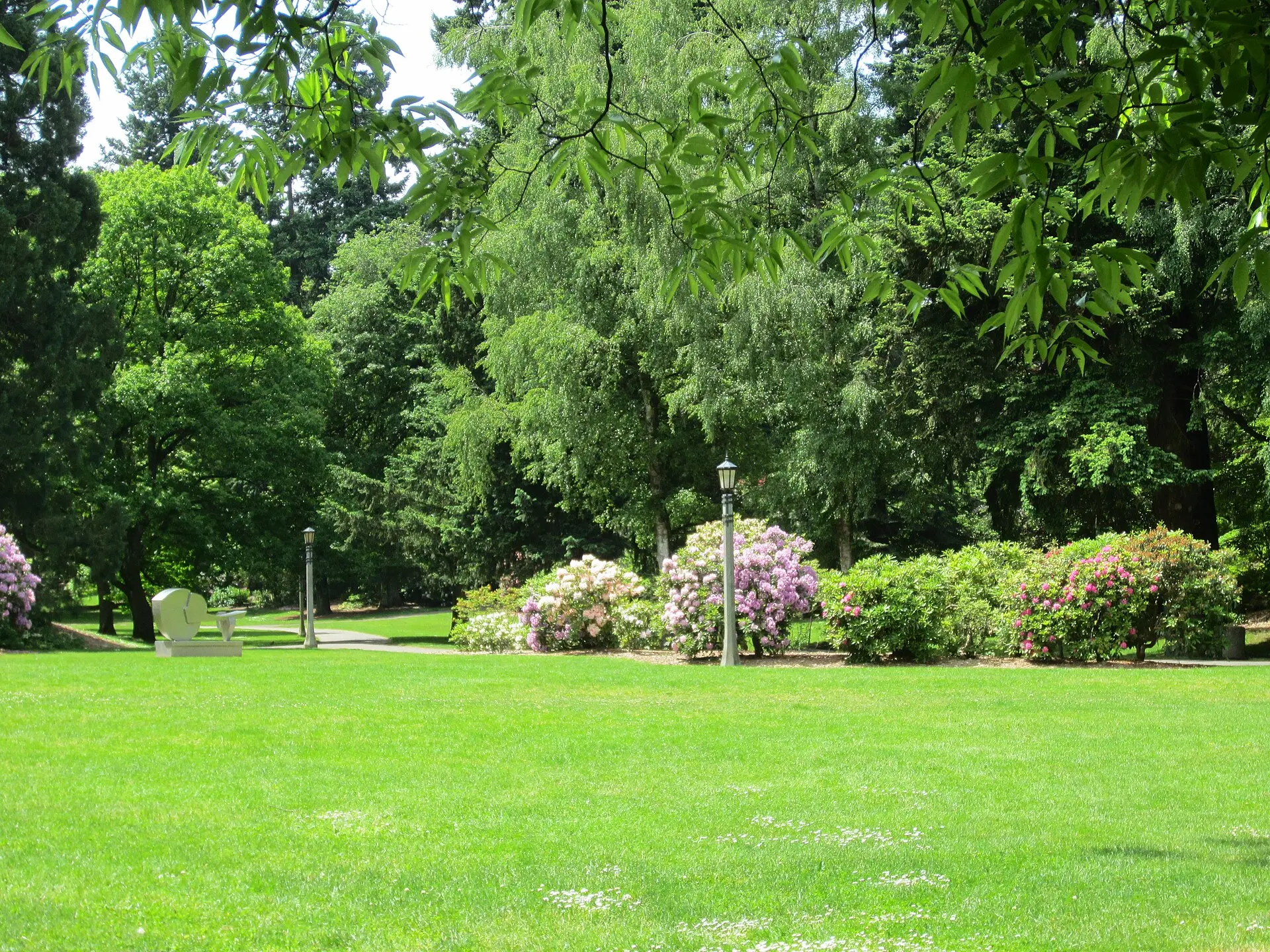
A higher, wind-exposed property can have different frost and drying conditions from a sheltered neighborhood yard. Record shade, soil moisture and where water sits after rain before choosing seed or setting a spring work date.
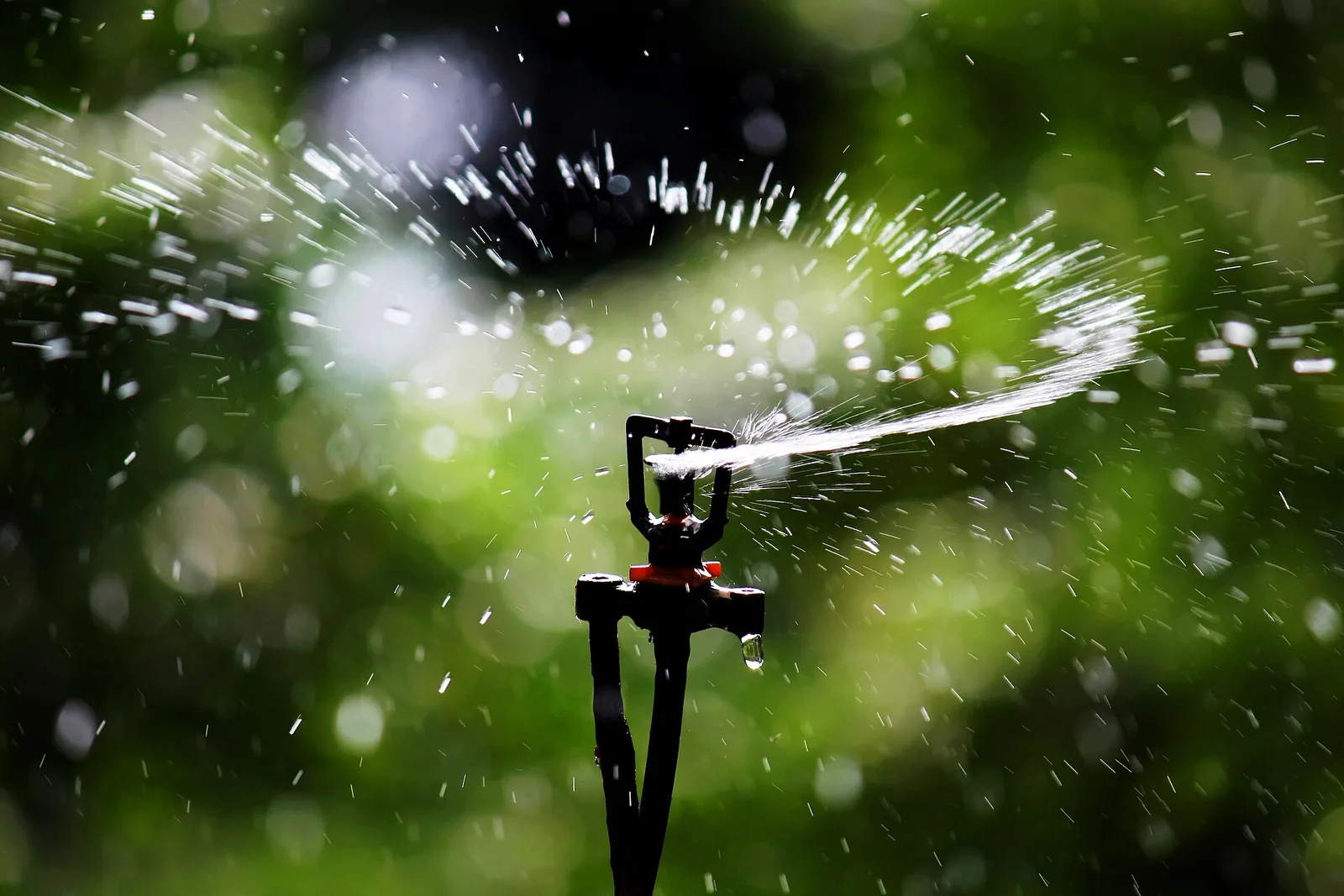
Compare sprinkler coverage before changing a whole-yard schedule.
Photo: Anton · CC BY-SA 4.0 · Resized for layoutOpen larger photoMake a spring and fall work list
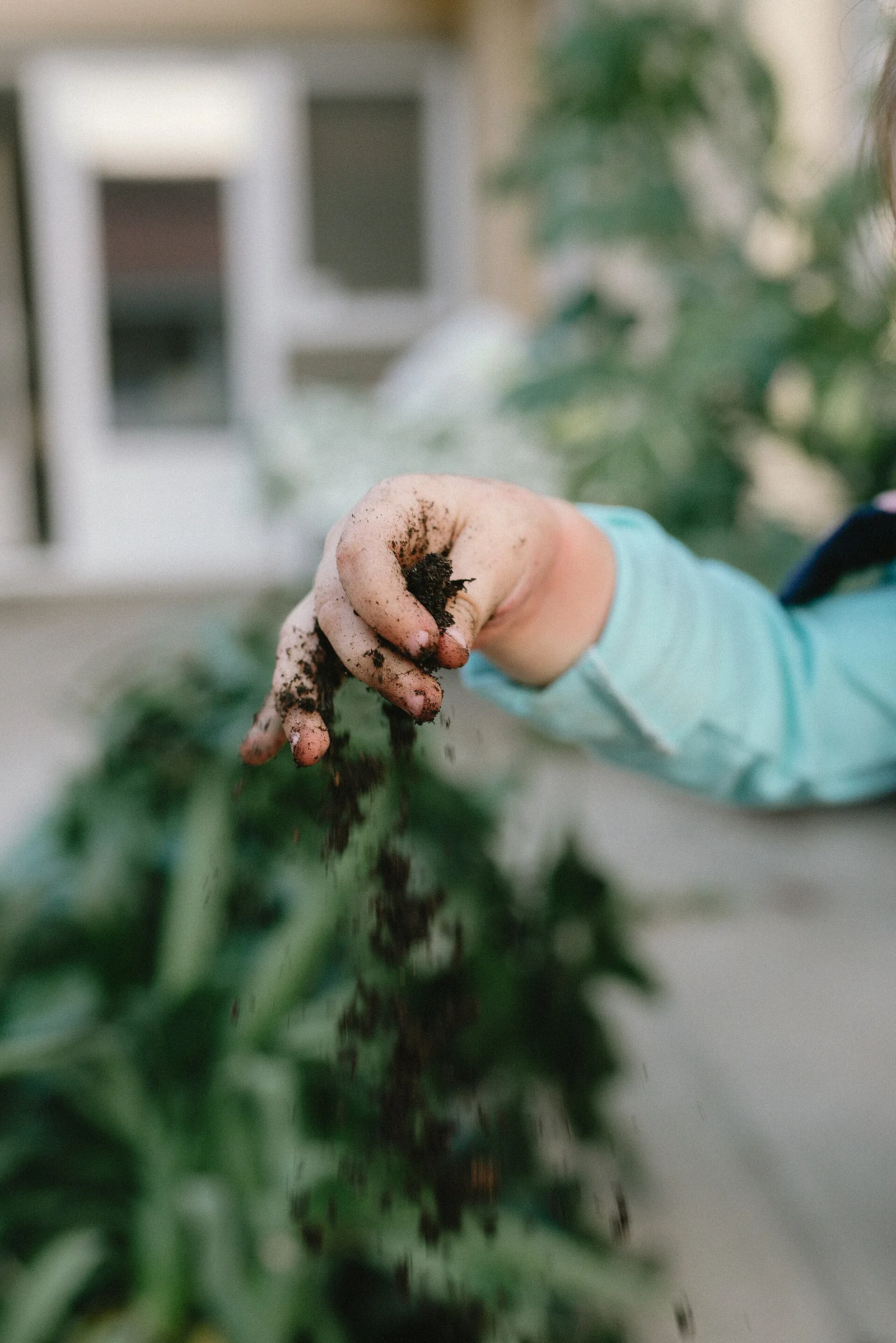
Walk the lawn when the ground is firm enough to avoid leaving deep footprints. Mark thin grass, moss, dog routes and water collecting near downspouts. A small sketch helps separate a drainage repair from an area that simply needs better cover.
Use suitable growing weather for seeding or renovation. Order seed after identifying the existing grass and light conditions. If the lawn needs a soil test, get the result before turning a seasonal fertilizer promotion into an automatic purchase.
Use the local watering tools
The Regional Water Providers Consortium publishes a Weekly Watering Number for the greater Portland area. Its ZIP-code tool and seasonal updates are a more useful starting point for an actively growing lawn than an unchanging minutes-per-zone schedule. Portland Water Bureau also links outdoor water-saving guidance.
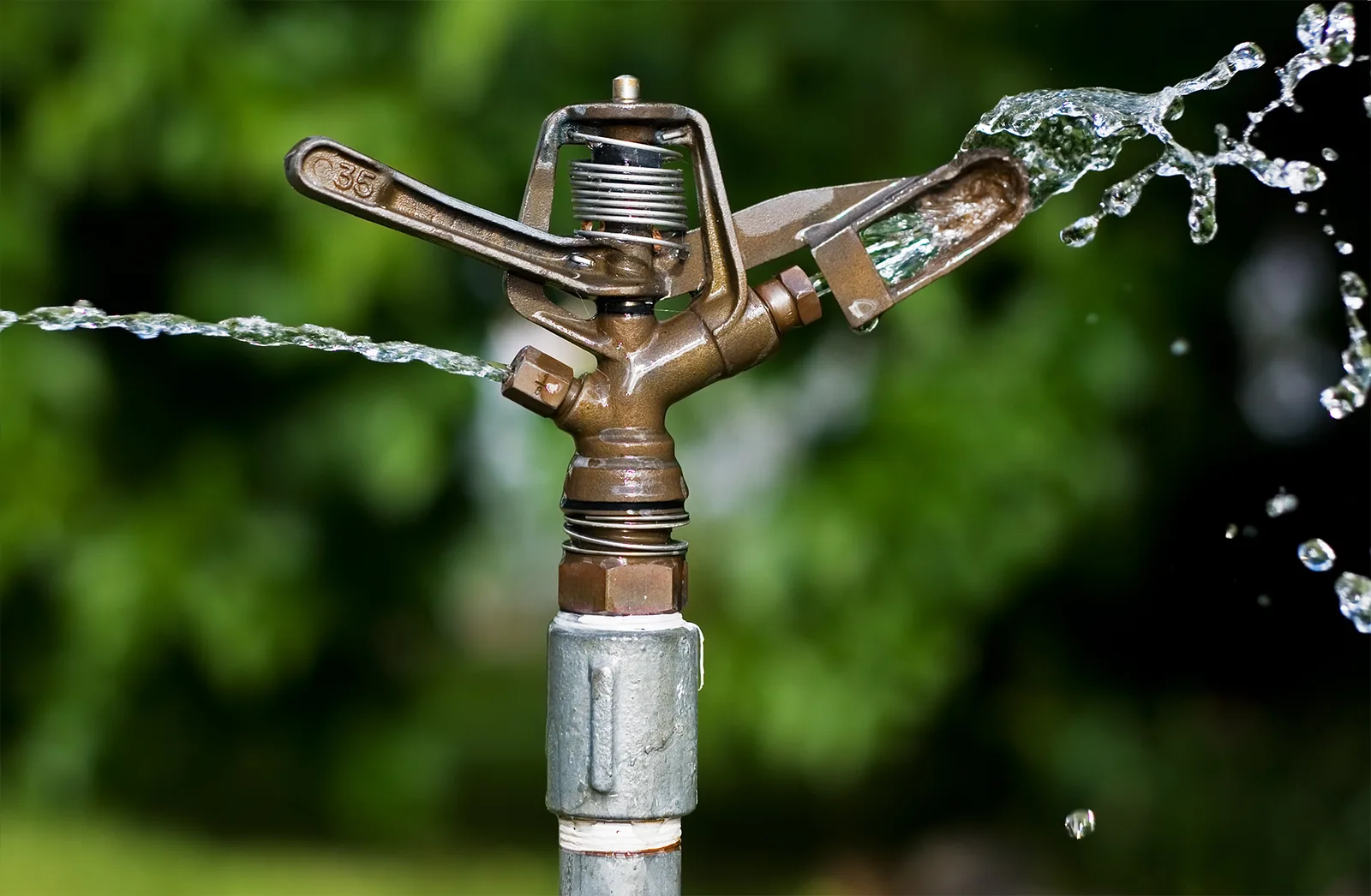
Measure sprinkler output with catch cans, then use the watering calculator to turn a target depth into a runtime. Compare coverage between zones and split a run if water begins to leave the soil. A recently seeded strip can need different attention from established turf. Use the current source rather than treating an old weekly number as live advice.
| Local resource | Use it for |
|---|---|
| Regional Water Providers Consortium | Current Portland-area watering guidance and ZIP-code lookup |
| Your own water provider | Current restrictions, irrigation programs and service-area advice |
| PNW Lawn watering calculator | Converting your measured sprinkler output into minutes |
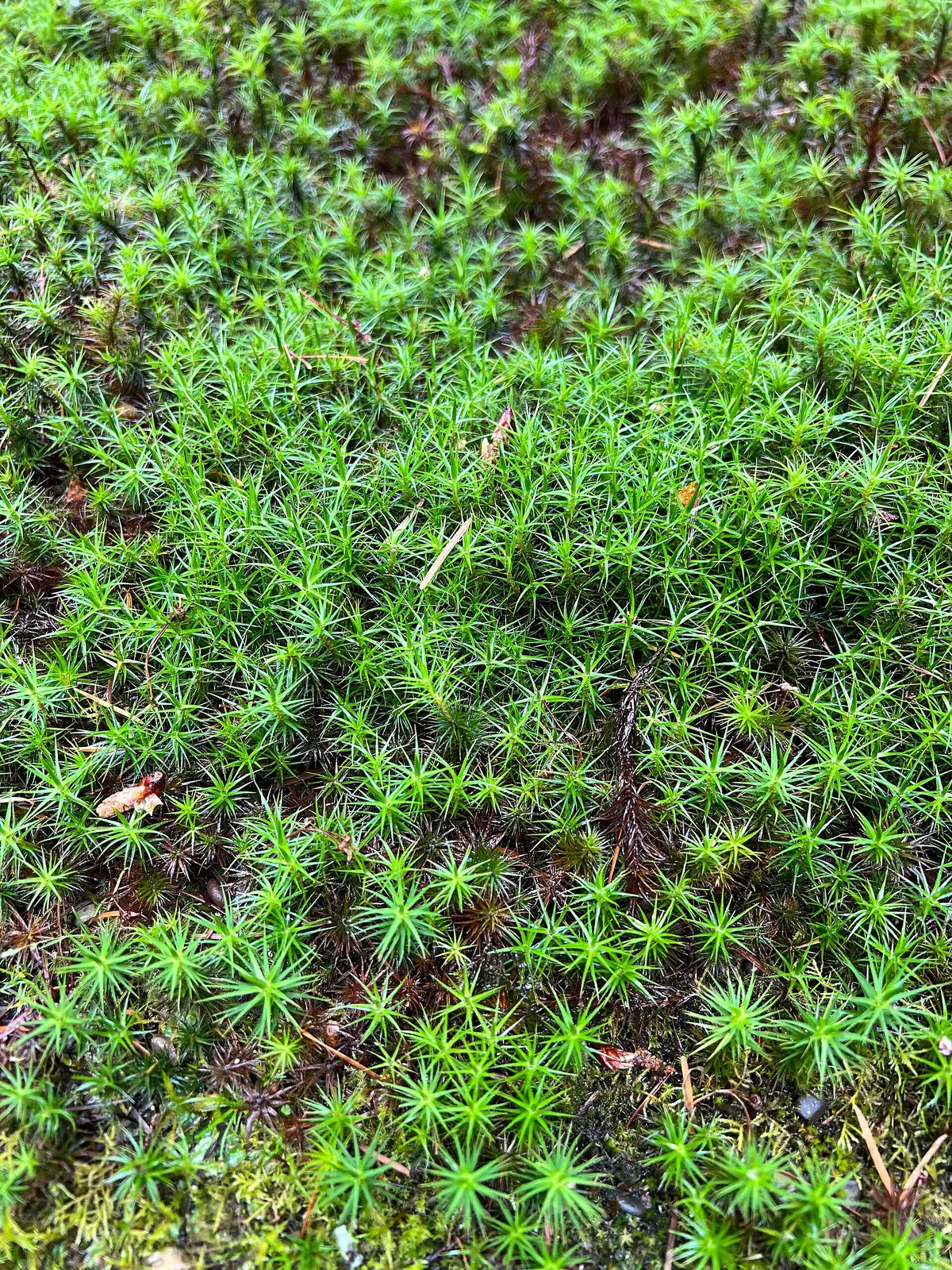
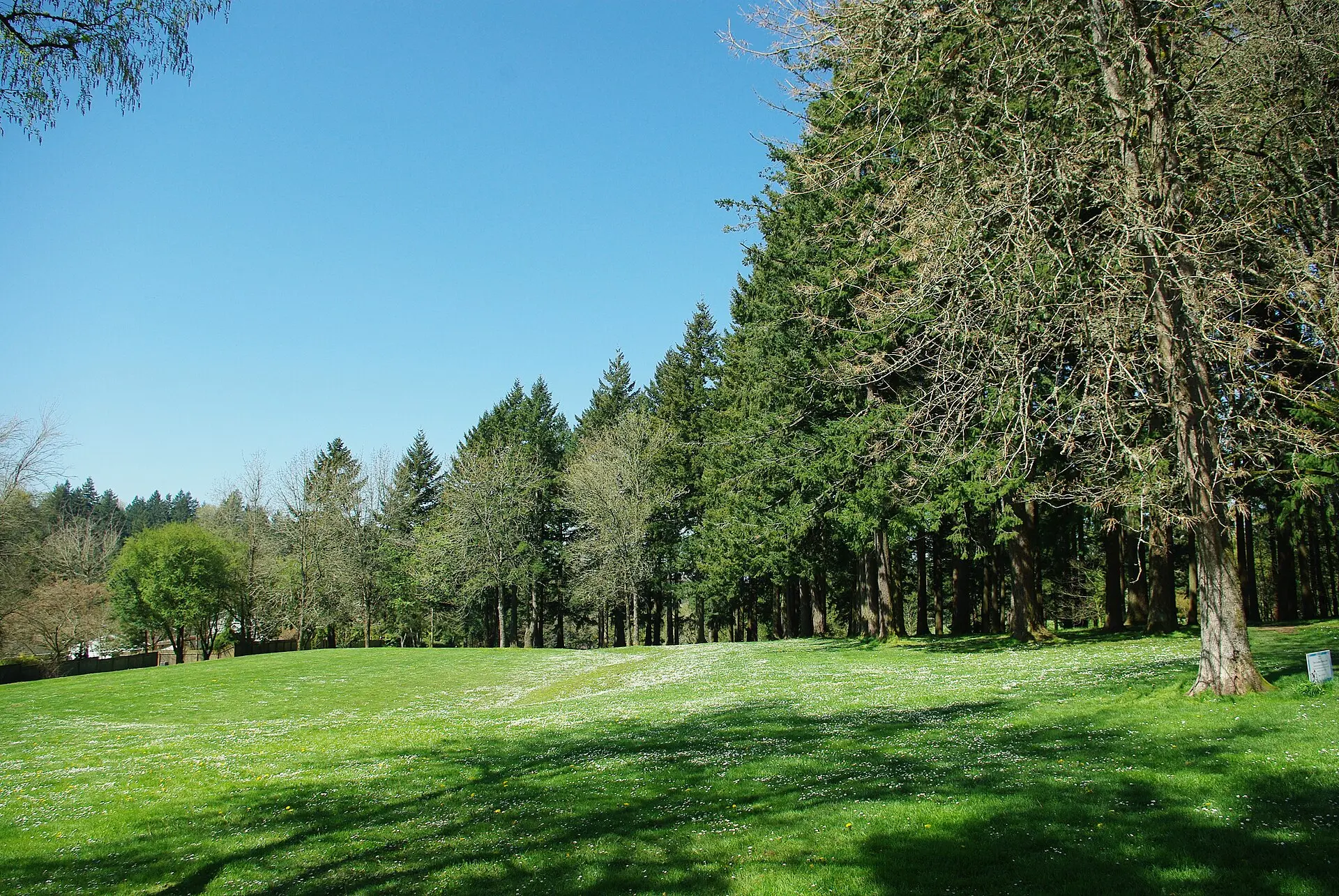
A damp shaded corner can need different work from an open lawn.
Photo: Z3lvs · CC0 · Resized for layoutOpen larger photoChoose the summer result deliberately
An established western lawn can be managed differently from newly seeded grass. Decide whether to maintain summer growth or accept some seasonal browning, and read the dormancy guide before changing irrigation. Check a single dry strip for a coverage problem rather than changing every zone.
Keep a short record of mowing height, fertilizer amounts and repair dates. At the end of the season, compare the lawn with the use you need from it. A modest play area and planted beds may be easier to care for than trying to maintain every shaded corner as turf.
Questions that come up
Does Lake Oswego follow the Portland lawn calendar?
The western lowland calendar is a useful starting point for both. Your elevation, exposure, soil and water provider still set the details.
Can I use Portland watering advice in Vancouver, Washington?
It can provide regional context, but check your own utility’s current advice and restrictions. A metro area is not one water-service territory.
Sources & further reading
Independent guidance, with regional extension and primary references. The linked product label and local conditions take priority over a generic schedule.
- Portland-area Weekly Watering NumberRegional Water Providers Consortium
- Saving water outdoorsPortland Water Bureau
- Practical Lawn Care for Western Oregon (EC 1521)Oregon State University Extension
- Irrigation rates and frequencies for Western and Eastern Oregon turfgrass (EM 9311)Oregon State University Extension