Brown grass in summer is not automatically dead, and a green patch is not proof that the rest needs fertilizer. Start with the weather, grass type, age of the lawn and the pattern of the change. Then choose a water plan you can maintain.
- Dormant grass can retain living crowns and roots after its leaves turn brown.
- An established western Oregon lawn and an inland lawn do not have the same no-irrigation options.
- New seed and recently laid sod need an establishment plan rather than deliberate summer dormancy.
Read the pattern before choosing a treatment
Broad browning during a dry spell is a different clue from one sprinkler-shaped strip, a heavily used dog route or a rapidly expanding irregular patch. Photograph the whole lawn and compare an affected area with a healthier one. Check the sprinkler coverage and soil moisture before naming a disease.
Dormancy is a survival response, not a guarantee that every plant survives an unlimited drought. Keep uncertain patches marked so you can compare them after cooler weather and adequate moisture return. A photo of brown leaves alone cannot settle whether their crowns are alive.
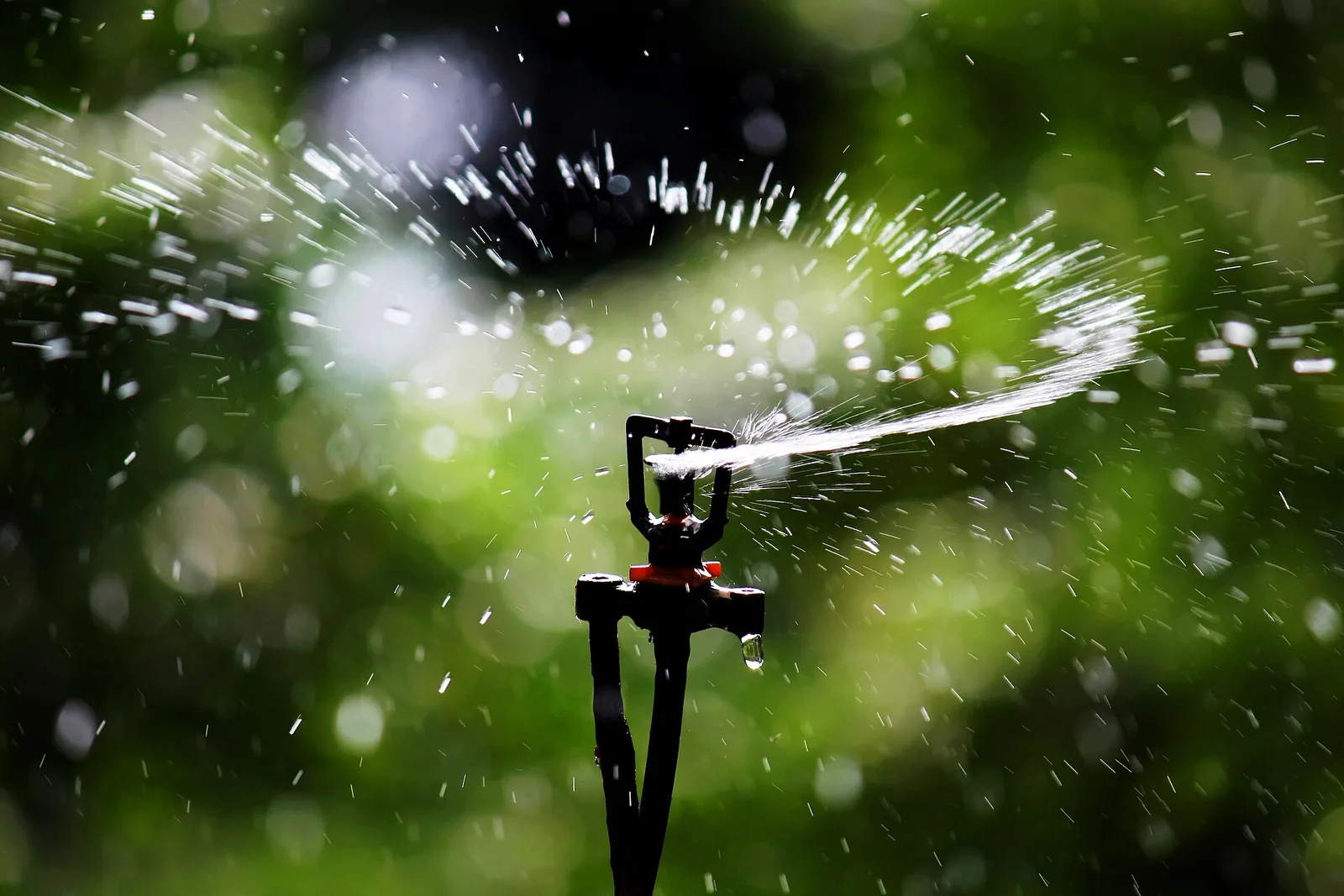
A dry strip can be caused by coverage rather than whole-lawn dormancy.
Photo: Anton · CC BY-SA 4.0 · Resized for layoutOpen larger photoMake the water decision regional
OSU distinguishes western Oregon from central and eastern Oregon: some western lawns can persist without irrigation if seasonal browning is acceptable, while interior turf needs irrigation to persist. Grass species, soil and exposure still change the response within either region.
In the Portland area, a current Weekly Watering Number can guide irrigation for a lawn you intend to keep actively growing. In another city, use the water provider’s advice and restrictions. A fixed number of minutes copied from another yard is not a water measurement.
| Situation | A sensible starting decision |
|---|---|
| Established western lowland lawn | Decide whether seasonal browning is acceptable; watch prolonged drought and wear |
| Central or eastern Oregon turf | Plan continued irrigation with local guidance rather than assuming a rain-only summer is viable |
| Newly seeded or sodded area | Keep the establishment watering plan separate from mature-lawn decisions |
| One dry strip beside green turf | Check coverage, roots and use before changing water for the entire lawn |
Reduce avoidable stress while growth is paused
Keep repeated foot traffic, parked equipment and renovation work off dormant grass where practical. Mow only when there is actual growth to remove. A fertilizer application is not a way to make drought conditions disappear.
Avoid repeatedly coaxing the lawn green and then withdrawing the water it needs to stay active. If you restart active growth, have a workable irrigation plan. New lawns are less established than older ones, so do not apply mature-lawn dormancy advice to this year’s seed or sod.
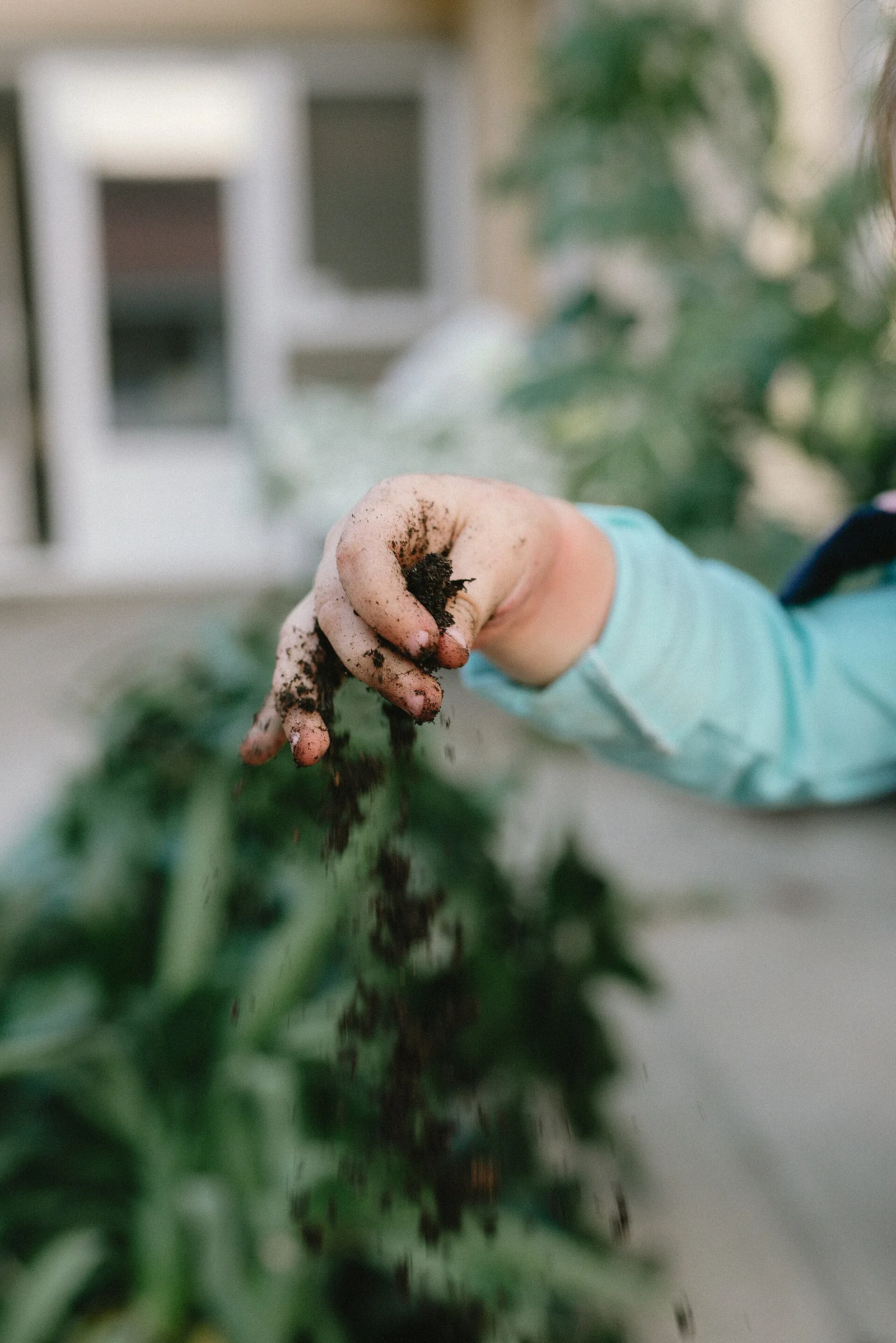
Soil moisture, roots and crowns add useful information that color alone cannot provide.
Photo: Shixart1985 · CC BY 2.0 · Resized for layoutOpen larger photoAssess recovery before reseeding everything
As suitable growing weather and moisture return, compare the marked patches. Recovery is not necessarily uniform across different species, soil depths or worn areas. Continue to inspect a patch that remains bare while neighboring grass grows.
If plants have died, repair the cause and reseed during a suitable local window. Correct a missed irrigation strip, concentrated traffic or poor drainage first. Keep a few dated pictures and notes: they make next summer’s decision much easier than trying to remember which area failed first.
Questions that come up
Should I fertilize a brown lawn to make it green?
Not before identifying the cause and confirming that conditions suit growth and an application. Fertilizer does not replace water or repair dead roots.
Can I let a new lawn go dormant?
Do not treat new seed or sod like a well-established lawn. Maintain the separate establishment watering plan and follow local guidance.
Will all dormant grass come back with autumn rain?
No recovery can be guaranteed from color alone. Species, drought length, root condition and damage affect survival; investigate areas that fail to regrow.
Sources & further reading
Independent guidance, with regional extension and primary references. The linked product label and local conditions take priority over a generic schedule.
- Irrigation rates and frequencies for Western and Eastern Oregon turfgrass (EM 9311)Oregon State University Extension
- Saving water outdoorsCity of Portland Water Bureau
- Summer Dormancy in Cool-Season LawnsIowa State University Extension