A thin lawn does not tell you which bag to buy. A soil test helps separate a nutrient or pH issue from a problem that fertilizer cannot fix. Start with a map, a laboratory's sampling instructions, and a clear description of the grass you want to grow.
- Sample the lawn separately from vegetable beds and unusual problem patches.
- Ask for lawn-specific interpretation, including pH, phosphorus, potassium and lime need.
- Keep the report; compare future samples taken at a similar time of year.
Choose the question before the test
Write down what changed: poor growth across the whole yard, a new construction soil, a recurring pale strip, or a plan to change grass species. Ask the laboratory which tests address that question. Basic fertility testing is useful for pH and several nutrients; a cheap probe that displays a number is not a substitute for a laboratory recommendation.
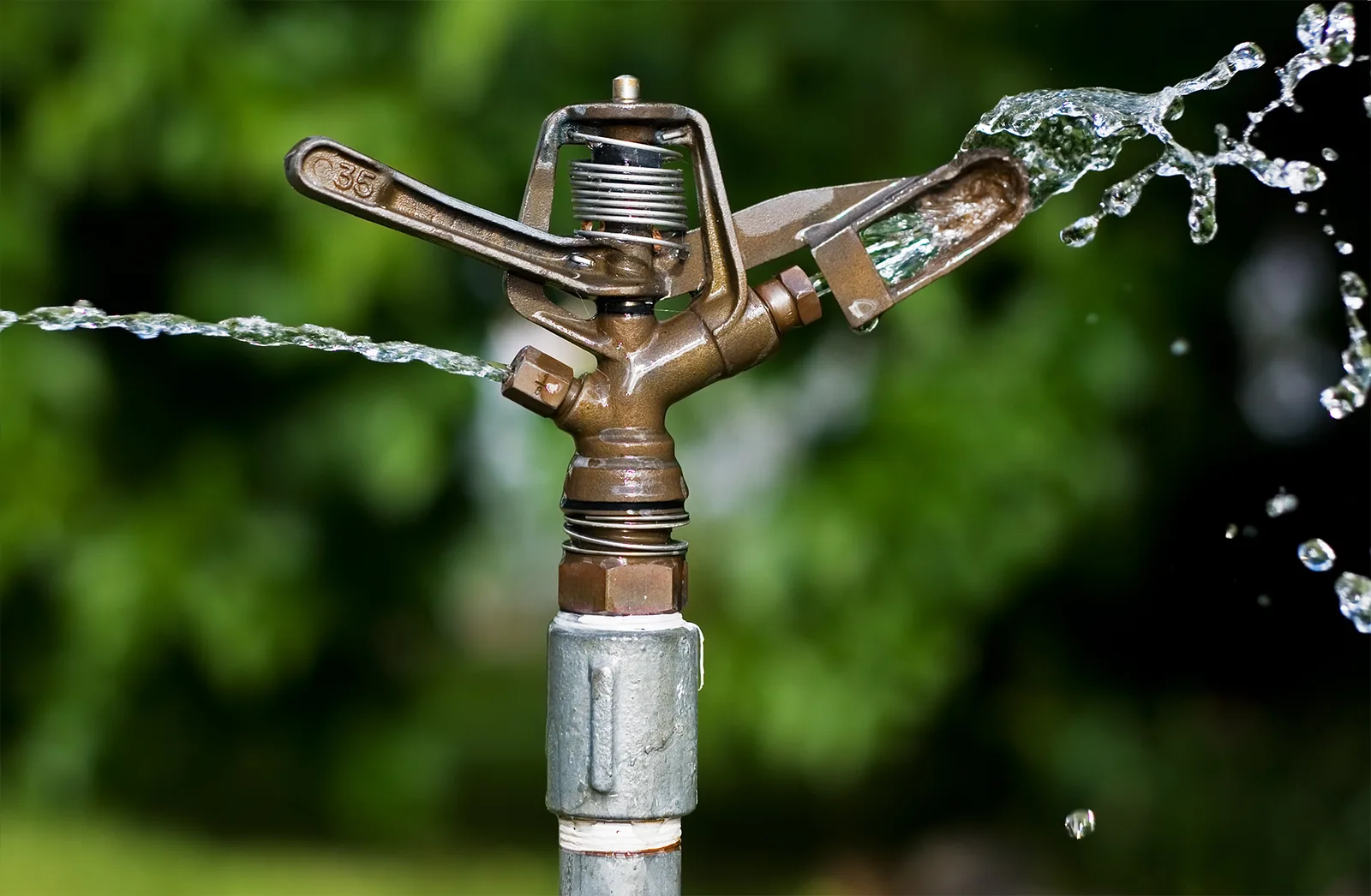
A standard nutrient panel cannot diagnose compacted soil, deep shade, lawn disease or a broken sprinkler. Photograph those conditions and investigate them alongside the sample. In an older property, ask the lab about a separate contaminant test if there is a specific reason to suspect one; do not assume it is included.
Collect one representative sample per management area
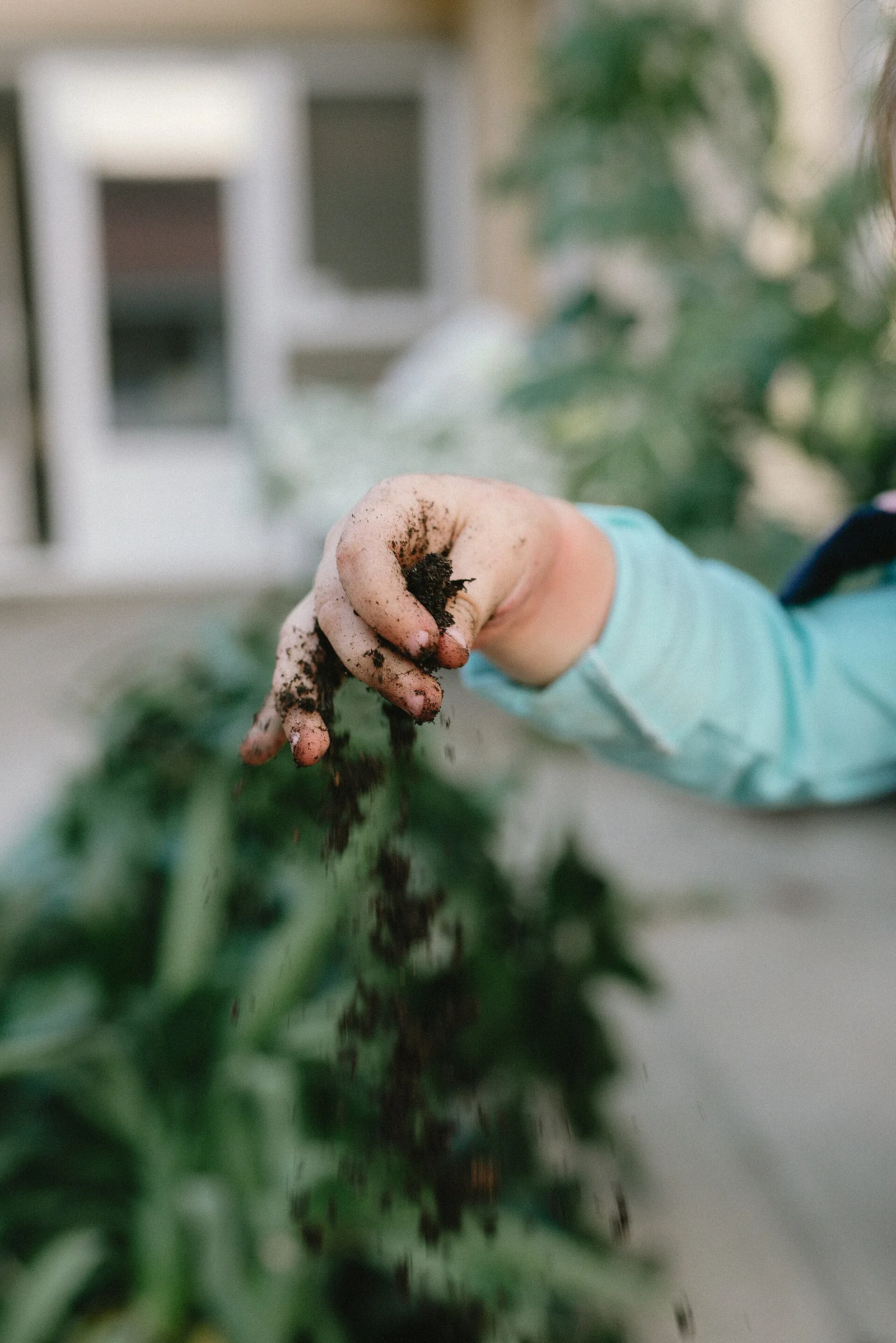
Use the lab's required depth and container. Take several small samples across a consistent area, remove surface debris as directed, and mix them in a clean container. Keep a recently fertilized patch, an old burn pile, a dog toilet area and a landscaped bed out of an ordinary lawn composite. Test a distinctive problem area separately if you want to compare it.
Label the sample with the site, date and intended use. A rental household should coordinate with the person responsible for grounds maintenance before digging or applying amendments. A shared lawn is easier to manage when everyone uses the same report.
Turn the result into a short decision list
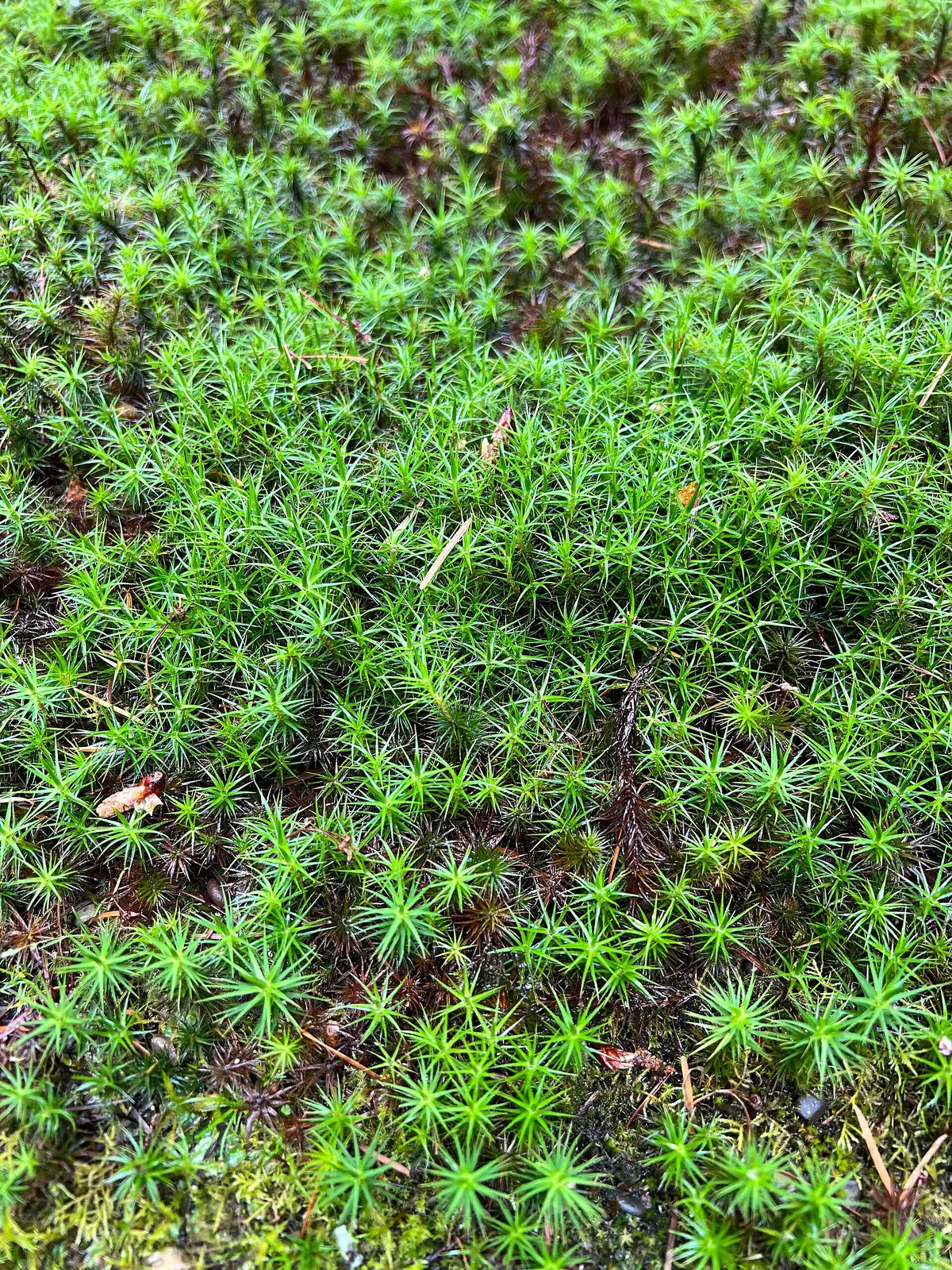
Ask whether the report calls for a nutrient addition, a pH adjustment, both, or neither. Follow the laboratory's rate and product guidance. Lime is an amendment for a demonstrated pH need, not a routine cure for moss. Coast, valley and interior soils can differ substantially, even within the same USDA hardiness zone.
Nitrogen changes with plant use, weather and microbial activity, so a single soil nitrogen reading is not a permanent annual fertilizer prescription. Use grass growth, returned clippings and a regional plan to interpret nitrogen needs. Keep product receipts and application dates beside the report so the next test has context.
Questions that come up
Does every PNW lawn need lime?
No. Soil pH, grass species and the laboratory recommendation determine whether lime is useful. Automatically liming a mossy lawn can waste money and leave the underlying shade or drainage problem unchanged.
Will a soil test tell me why one patch stays wet?
Usually not. Observe water movement and soil structure, and check downspouts, irrigation and grading. Treat a fertility test as one part of the investigation.
Sources & further reading
Independent guidance, with regional extension and primary references. The linked product label and local conditions take priority over a generic schedule.
- A Guide to Collecting Soil Samples for Farms and GardensOregon State University Extension
- Soil TestsColorado State University Extension
- Understanding soil health and biota for farms and gardensOregon State University Extension