The best lawn fertilizer is the one that supplies a demonstrated need at a suitable time and rate. A bag labeled spring, winterizer or organic cannot decide that for the yard. Build a modest regional plan, then let growth, soil condition and the product label control each application.
- Feed actively growing turf when it can use the nutrients.
- Calculate actual nitrogen rather than comparing bag weight alone.
- Skip frozen, saturated, runoff-prone or heat- and drought-stressed conditions.
Use the season as a decision window
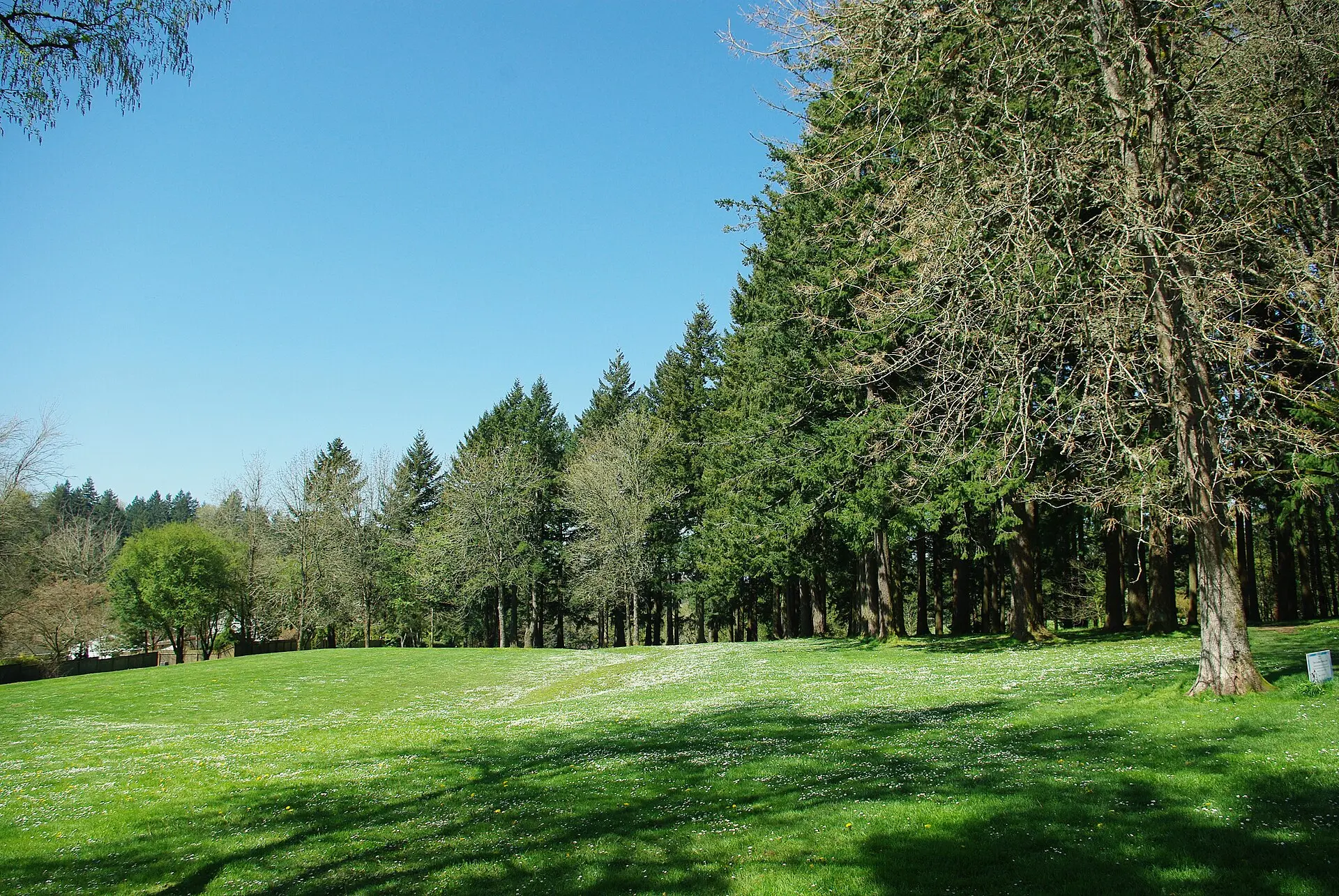
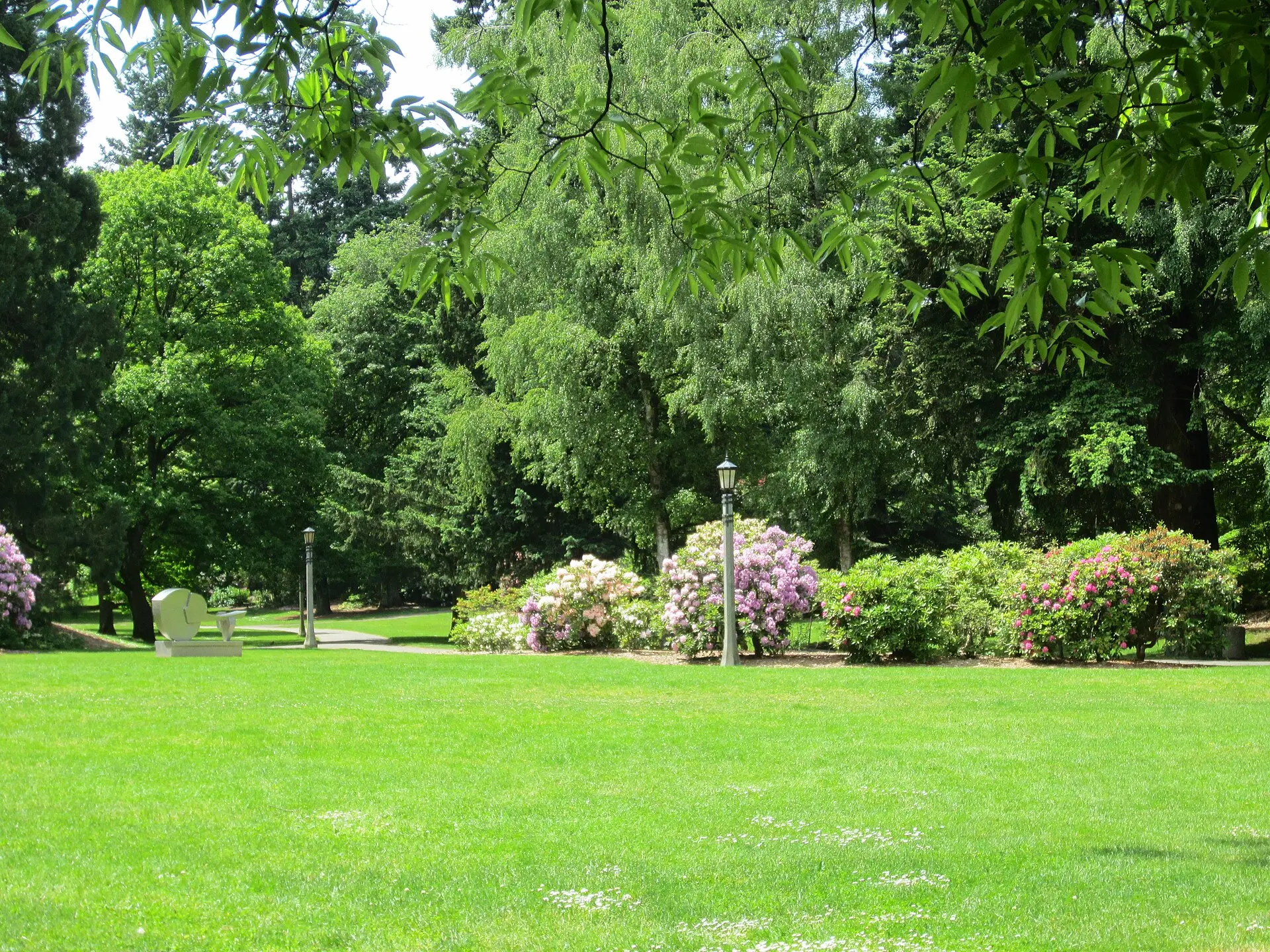
West-side and coastal cool-season lawns often have useful spring and fall growth windows. Interior lawns start later after winter and face greater summer heat and irrigation demand. Elevation and frost exposure can shorten both ends of the season. Do not import a Portland calendar unchanged into Bend or a mountain property.
A lawn already growing strongly may not need an early spring push. A low-input established lawn that returns clippings has a different budget from a young intensively managed ryegrass surface. Late fall feeding appears in some regional recommendations, but only proceed when local conditions, grass activity and the label are appropriate; never spread onto frozen or saturated ground.
| Window | What to check | Buying direction |
|---|---|---|
| Spring growth | Grass is growing; ground is firm enough; recent rain has not saturated it | Select only needed nutrients; avoid an automatic weed-and-feed |
| Summer | Heat, irrigation availability, dormancy and local restrictions | Postpone feeding stressed or dormant turf; do not force growth |
| Early fall recovery | Cooling weather, useful growth remaining, reseeding plans | Compare organic or controlled-release options and the soil report |
| Winter conditions | Frozen ground, standing water, snow or negligible growth | Store products and plan; do not apply onto these surfaces |
Compare nutrient amounts, not marketing names
The first number of an N-P-K analysis is nitrogen percentage by weight. To supply an example target of 0.5 pound of actual nitrogen per 1,000 square feet with a 20% nitrogen product, divide 0.5 by 0.20: 2.5 pounds of product. That is a calculation example, not a recommended dose. Use the lower applicable limit from the product instructions and your locally appropriate plan.
Phosphorus and potassium should reflect a soil recommendation and local requirements. More nutrients are not automatically better. Check the guaranteed analysis, coverage and nutrient-release information on the specific bag; similarly named products can differ.
Choose the release pattern and keep a record
Organic-source fertilizers often rely on biological breakdown, making response more dependent on soil conditions. Synthetic products may include quickly available, controlled-release or mixed nitrogen forms. Neither category excuses overapplication. Compost and returned clippings also contribute nutrients, so include them when deciding what is still needed.
Measure the lawn, calibrate the spreader, close it before turning over hard surfaces, and sweep escaped granules back onto the intended area. Follow watering-in instructions without creating runoff. Record product, amount, area and date. That short log is more useful next season than buying the same number of bags by habit.
Questions that come up
Should I fertilize every month?
No. A monthly reminder can prompt an inspection, but feeding frequency depends on grass, maintenance goal, product release, returned clippings and local conditions.
Is organic fertilizer automatically phosphorus-free or pet-safe?
No. Read the guaranteed analysis and all handling instructions. Organic source, nutrient composition and exposure precautions are separate questions.
Sources & further reading
Independent guidance, with regional extension and primary references. The linked product label and local conditions take priority over a generic schedule.
- Fertilizing Lawns, EC 1278Oregon State University Extension
- Practical Lawn Care for Western OregonOregon State University Extension
- Tip Sheet #11: LawnsWashington State University Extension, Jefferson County
- Lawn maintenance calendar for Central OregonOregon State University Extension