A rental yard can be rewarding without becoming a permanent construction project. Set the boundaries in writing, photograph the starting condition and choose work that fits both the growing season and the likely length of your stay.
- Read the lease and agree on maintenance responsibilities before changing the yard.
- Get permission for digging, removing plants or installing irrigation.
- Choose portable tools and containers when permanence is uncertain.
Agree on what care means
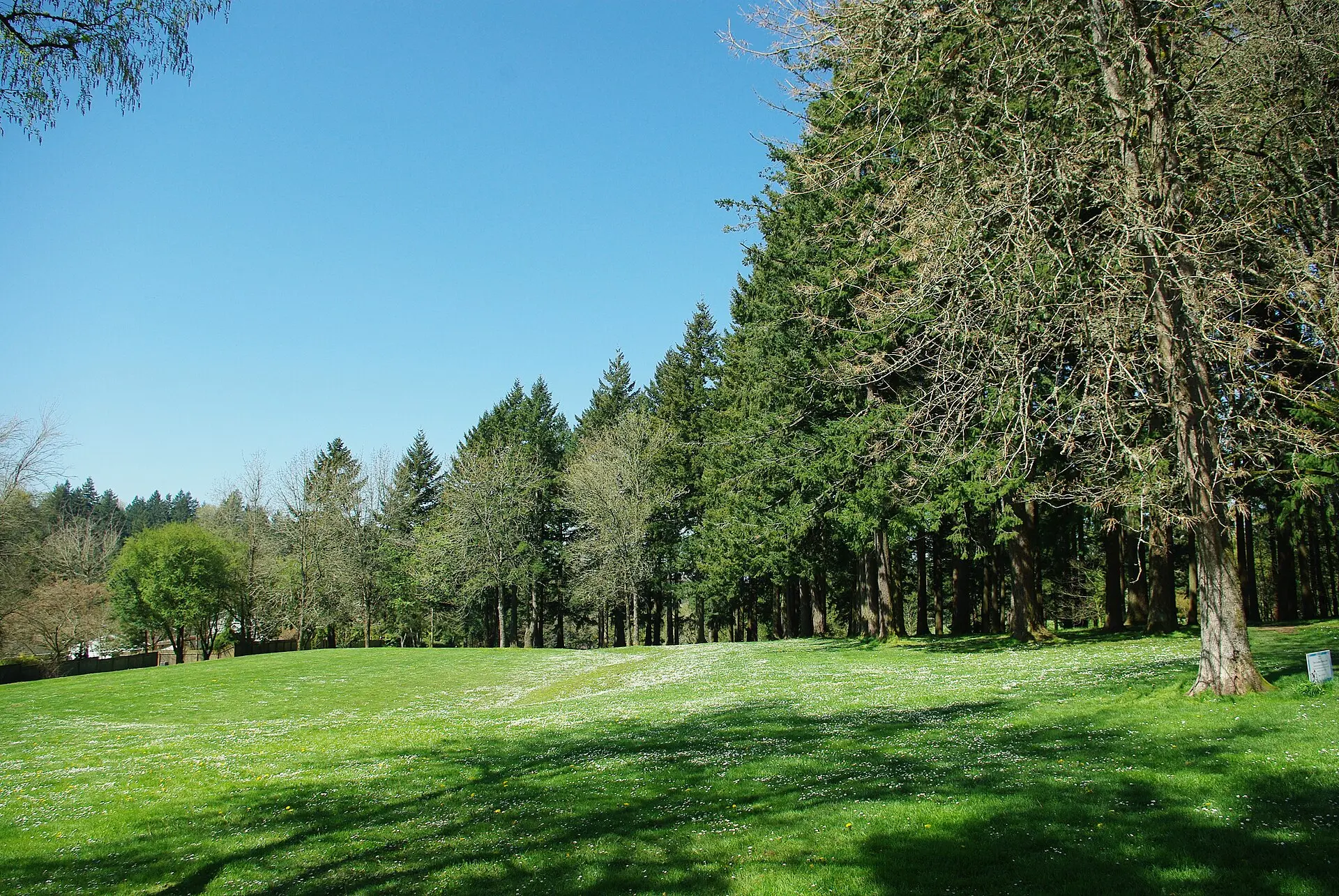
Ask who mows, handles leaves, pays for irrigation water and schedules major tree or drainage work. Clarify whether the lawn is expected to stay green through summer and who chooses products. Photograph bare patches, damaged edging and existing plants. Save the answer alongside your move-in record so a future conversation starts from the same information.
Use a simple permission ladder
Routine agreed maintenance is different from digging a bed, removing a shrub or changing a sprinkler line. Seek written approval for alterations, including the location and the expected move-out condition. Tree work, grading and changes to drainage need appropriate expertise and may involve local requirements. A friendly verbal conversation is useful; a saved written plan is easier to rely on later.
Start small enough to take with you
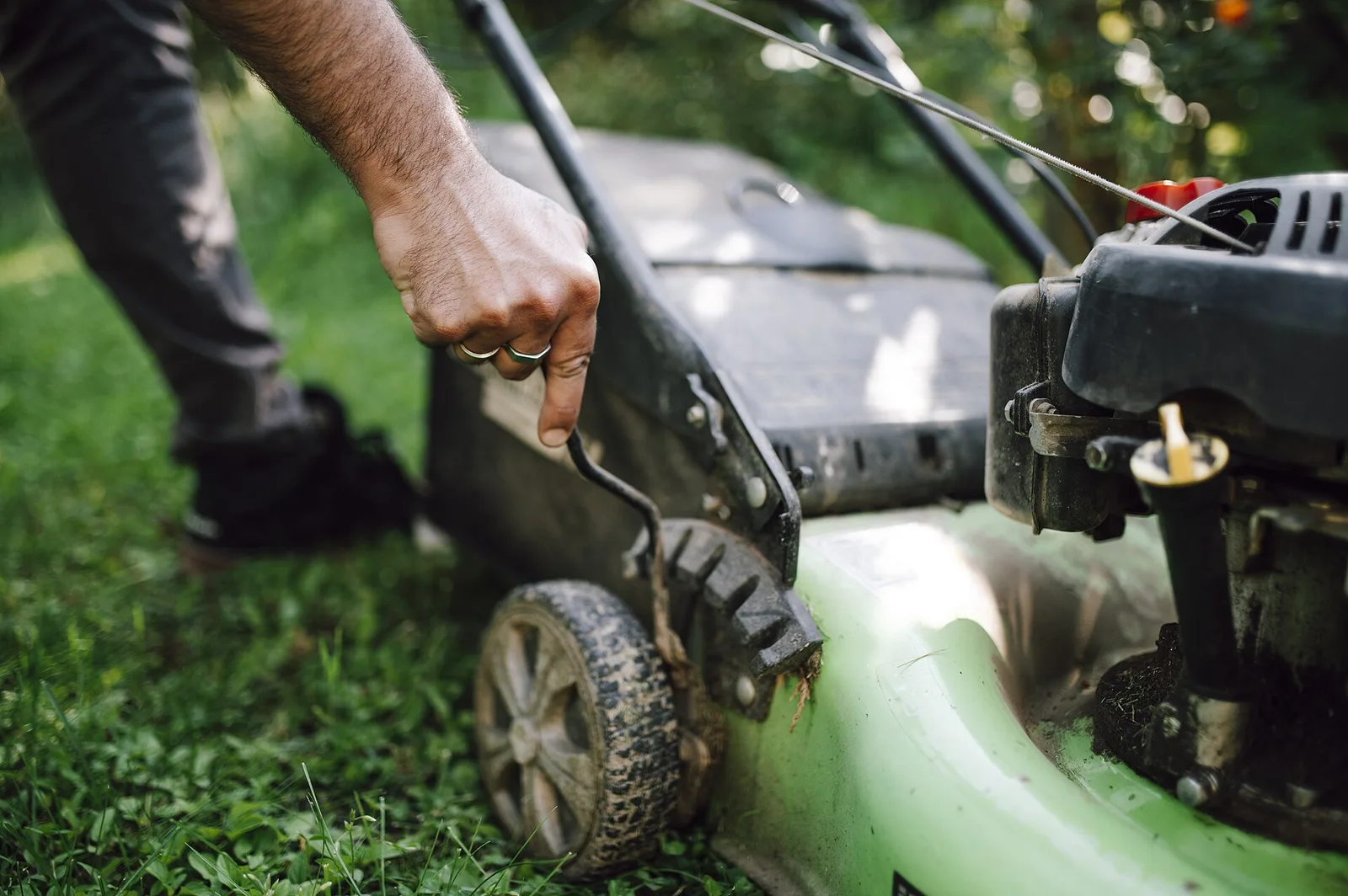
WSU’s renter-gardening guidance recommends considering your future move as part of the garden design. A few containers let you learn the site and retain useful plants. Buy tools that fit the actual space, with a storage plan. If you may move far away, favor a manageable seasonal project over a collection of heavy permanent planters.
Keep plant care specific
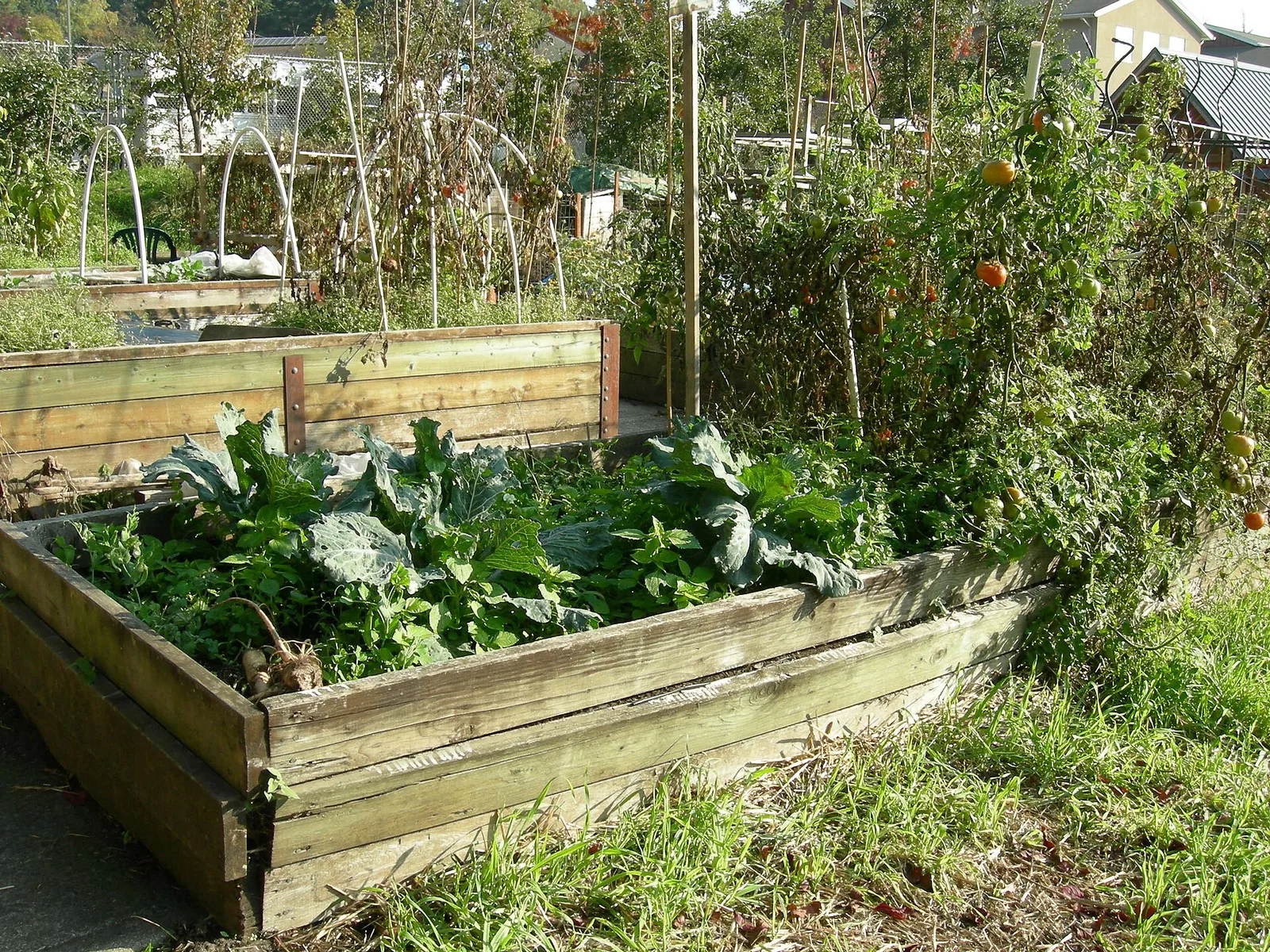
Use the lawn program that matches the site, the owner’s agreement and any product restrictions. Do not apply an unfamiliar weed treatment or fertilizer to solve a patch you have not identified. For vegetables, OSU recommends sufficient container size, drainage and a suitable potting medium. Water access matters: carrying a can up stairs can make an ambitious layout impractical.
Leave a clear handoff
At the end of a tenancy, use the original photographs and written agreement to plan restoration or transfer. Arrange what happens to compost, containers and leftover products before moving day. Keep chemicals in original labeled containers and use local disposal instructions. Document the condition you leave and provide any agreed care notes for retained plants or equipment.
Questions that come up
Can I replace lawn with a vegetable bed?
Ask the owner first and agree on its size, location and eventual restoration or handoff. Also check utility locations and local requirements before any approved digging.
Is the renter automatically responsible for every outdoor task?
No general website checklist can decide that. Responsibilities depend on the lease, local rules and the specific situation; clarify them before buying supplies or doing work.
Sources & further reading
Independent guidance, with regional extension and primary references. The linked product label and local conditions take priority over a generic schedule.
- Gardening While RentingWashington State University Extension
- Container gardening: Grow vegetables even without yard spaceOregon State University Extension