A successful balcony garden starts with the space and its rules, not a cart full of plants. Observe the light, wind and water route first, then choose a few containers you can maintain and move.
- Get approval for containers, attachments and any load questions.
- Use containers with drainage and appropriate potting mix.
- Keep doors, exits, drains and neighbors’ spaces clear.
Read the space before choosing plants
Record direct sunlight at several times of day. A bright-looking wall can still be shaded for most of the afternoon. Note wind exposure and reflected heat, then choose plants that fit those conditions. Start with a small herb or greens project rather than an instant privacy wall. That gives you a season to learn how quickly the pots dry.
Ask the questions that plants cannot answer
Check building rules for planters, grills, attachments and water runoff. Obtain the owner’s guidance on the balcony’s load limits before adding heavy soil, large pots or furniture. Do not hang objects from railings or drill into the building without approval. Keep clear access through doors and avoid placing climbable containers beside a guard where children could use them as steps.
Choose the container and growing medium together
OSU recommends containers with drainage and a commercial potting medium suited to containers. Choose enough root space for the mature plant, not just its starter plug. Large pots can be heavy once watered, so make a handling plan before filling them. Keep drainage working without allowing water to damage the deck surface or drip onto a neighbor.
Build a watering routine you can sustain
Check the mix by touch rather than watering solely by the calendar. Sunny, windy exposures can dry pots quickly; a shaded wet-season position may stay damp much longer. Water carefully, check where runoff goes and empty standing water where appropriate. Use only approved hose connections or irrigation arrangements, and make a plan for weekends away.
Plan for winter and moving day
Choose plants for the actual local winter and the extra exposure of a container. Bring tools and removable watering equipment out of freezing conditions as needed. Check pots after windstorms from a safe location. Decide how you will lift, divide or give away a large planting before it becomes too awkward to move. A compact garden you can care for is more useful than an overloaded balcony.
Questions that come up
Can I grow vegetables without a yard?
Yes. OSU lists herbs, greens and other vegetables suited to containers. Match the crop to light, container volume and the attention you can provide.
Can I put a raised bed on a balcony?
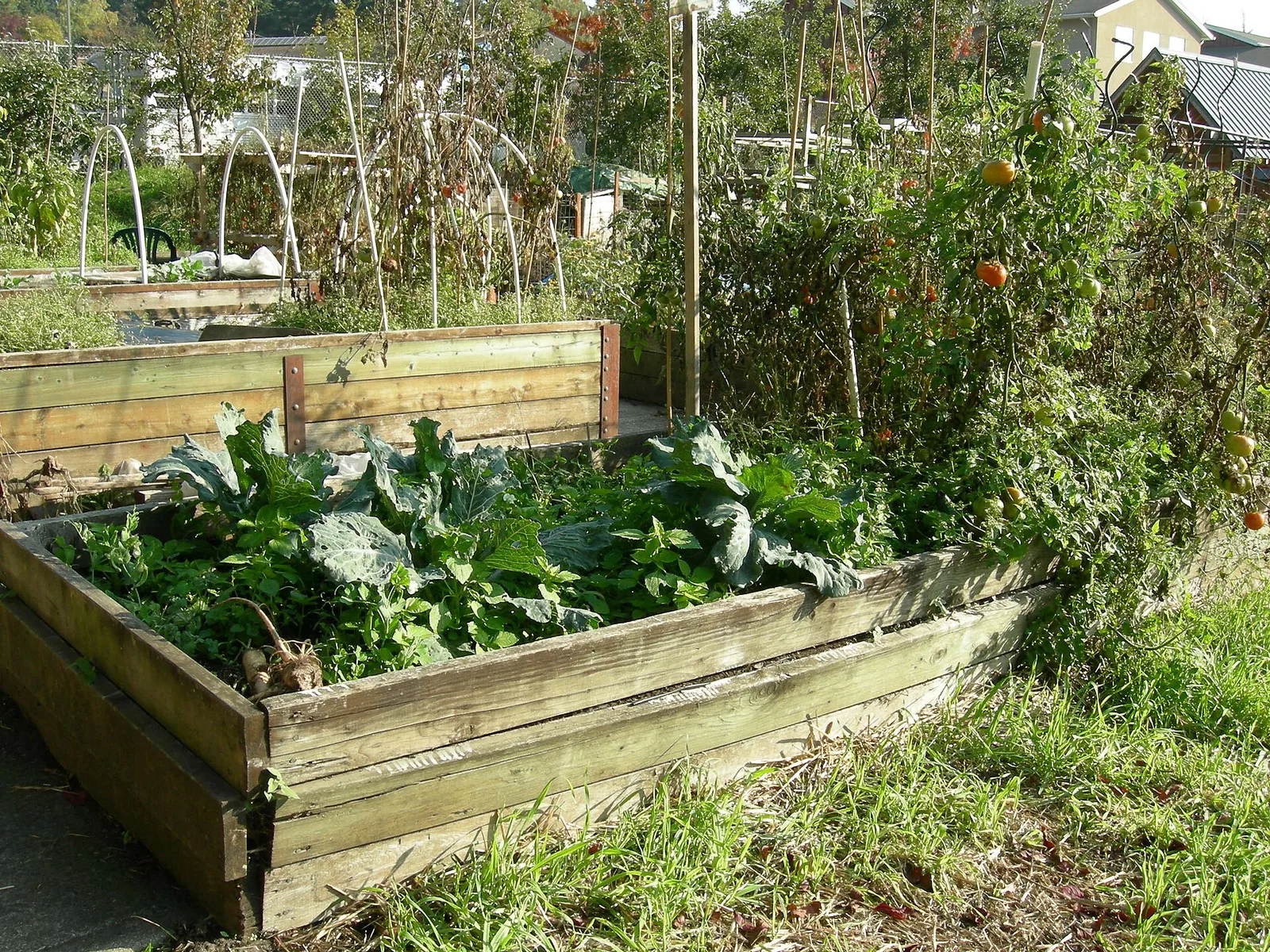
Get explicit guidance on structure, weight and building rules first. A bed full of wet growing medium can be far heavier than an empty frame suggests.
Sources & further reading
Independent guidance, with regional extension and primary references. The linked product label and local conditions take priority over a generic schedule.
- Container gardening basicsOregon State University Extension
- Container Gardening: King County Tip Sheet 6Washington State University Extension
- Container gardening: Grow vegetables even without yard spaceOregon State University Extension