This program uses no synthetic fertilizer and no pesticides, including natural-source pesticides. It builds a useful lawn through plant choice, mowing, soil care and physical weed management. Natural describes the program's inputs; it does not promise a toxin-free property, zero environmental impact or safety if products are eaten.
- Start with a suitable grass or a deliberate mixed ecolawn.
- Return short clippings, pull unwanted plants and repair bare soil.
- Add natural-source nutrients only when justified; organic bags still need scrutiny.
Define the lawn you want to maintain
Decide whether the goal is a mostly grass play space, a lightly used mixed lawn, or a smaller lawn surrounded by planting beds. Accepting some low-growing broadleaf plants can reduce the work required to maintain a pure stand. If you choose a flowering ecolawn, consider bee activity where children and dogs play.
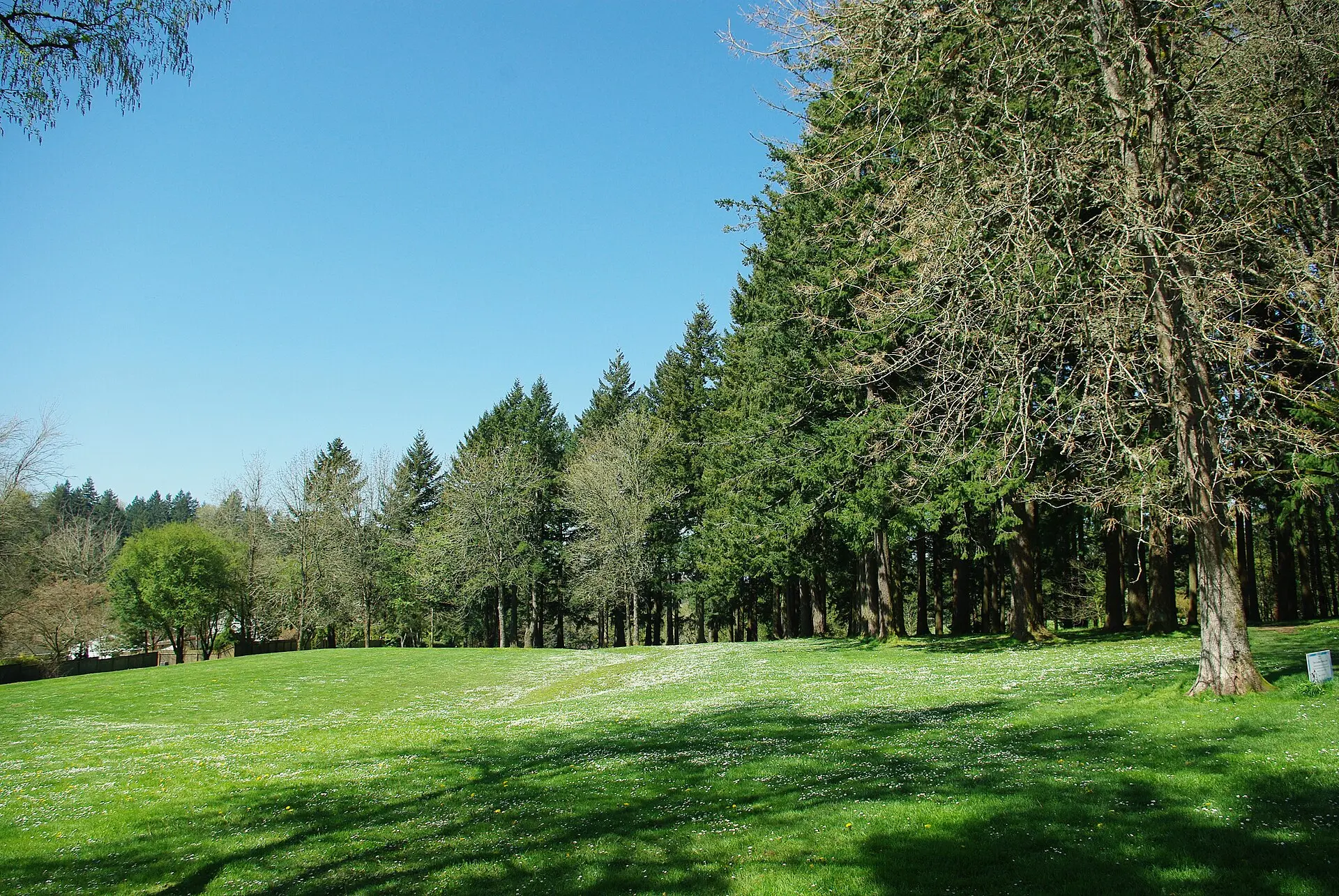
Choose species for climate and use rather than trying to train an unsuitable lawn with amendments. OSU describes ecolawns as combinations of compatible grasses and broadleaf plants with lower input needs after establishment. Establishment still needs care and water; a newly seeded lawn is not immediately drought-ready.
Use a small set of repeatable practices
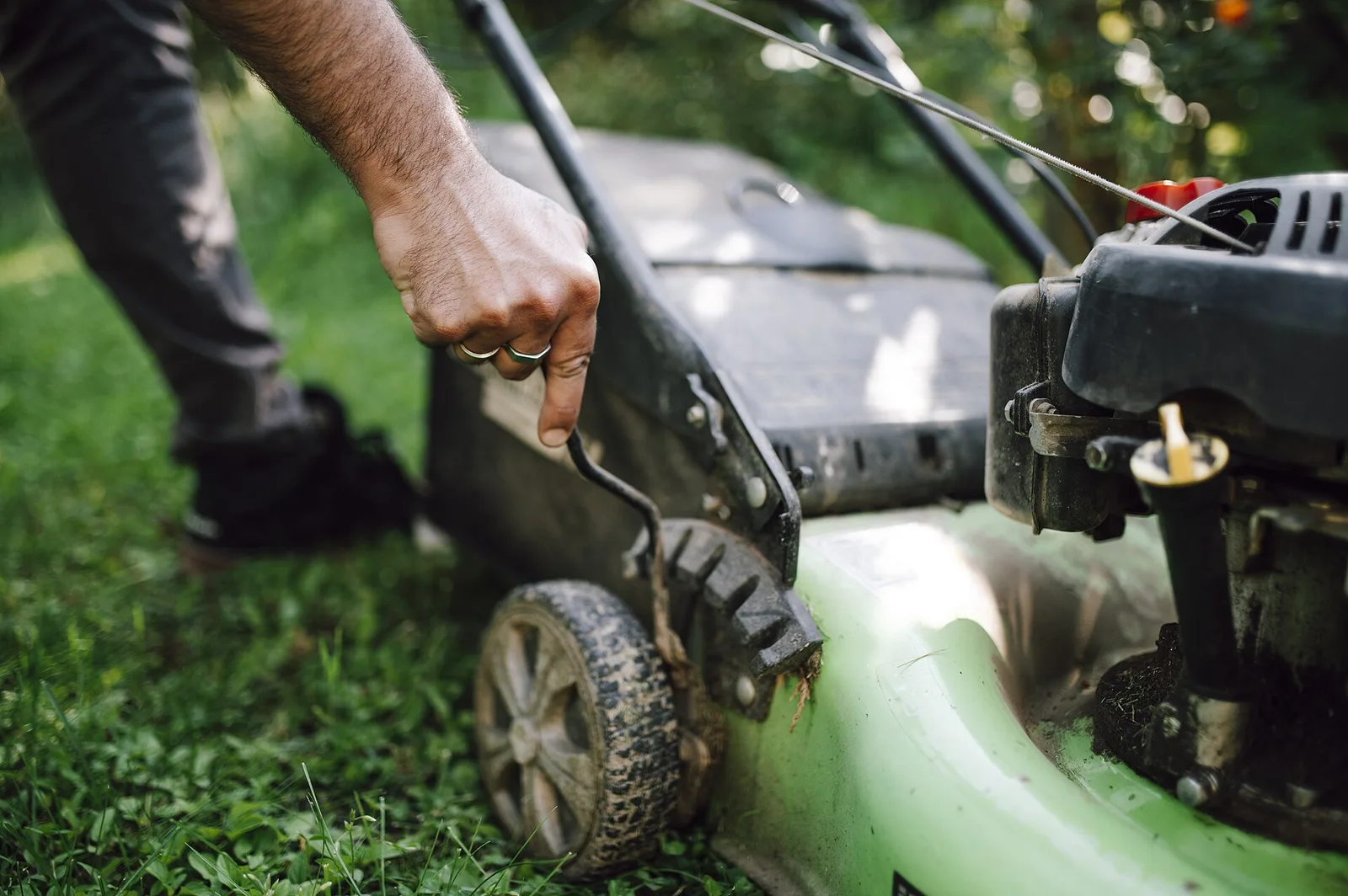
Measure the lawn and obtain a baseline soil test. Return small mowing clippings when they can be spread evenly, and pull weeds before they seed. Repair worn spots during a suitable growth window. These are recurring tasks, so keep a rake, a comfortable hand weeder and a useful mower ready rather than collecting many occasional products.
Compost is an input with its own nutrient and quality profile, not a universal annual requirement. Choose a suitable finished material, check the source, and use a light application only when it serves a documented purpose. Protect grass from burial, keep compost piles inaccessible to pets, and avoid treating a natural smell or a familiar ingredient as proof of safety.
Follow the seasons without forcing growth
In spring, inspect winter damage, mow as growth requires, pull manageable weeds and reseed suitable patches. In summer, choose which lawn areas will be kept green and use measured irrigation; reduce wear on stressed grass. In early fall, use a favorable establishment window to repair density. In winter, protect wet or frozen soil and plan rather than spreading products onto unsuitable ground.
If a soil-informed plan still calls for nutrients, select a natural-source product whose guaranteed analysis fits the need and whose release suits active growing conditions. Avoid synthetic blends if you want to keep this program's definition. Do not substitute homemade vinegar, salt or detergent sprays for physical weed management. Keep the optional route truly optional: a satisfactory established lawn may need less purchased material than its owner expects.
Know when the landscape should change
If a wet shaded corner needs repeated rescue, consider a suitable shade planting or accepted moss area. If dogs create a permanent route, provide a planned surface instead of repeatedly reseeding it. A successful natural program is a useful, manageable landscape, not a promise that every square foot will look like a golf green in every season.
Questions that come up
Does this program certify my lawn as organic?
No. This is a clearly defined maintenance approach, not a certification or a guarantee about historical soil residues. Verify the ingredients and documentation of any purchased input.
Can I use a natural moss killer and still follow this program?
This program excludes pesticides, including natural-source products used as pesticides. Choose physical management or use the conventional integrated plan if you decide a labeled treatment is appropriate.
Sources & further reading
Independent guidance, with regional extension and primary references. The linked product label and local conditions take priority over a generic schedule.
- Ecolawn: Less work and waterOregon State University Extension
- What's your lawn style?Oregon State University Extension
- Lawn IPMNational Pesticide Information Center, Oregon State University / U.S. EPA
- Outdoor Hazards for PetsOregon Veterinary Medical Association