A puddle is a clue about water movement, not a specification for a French drain. Start by observing the yard during and after rain from firm ground. A useful repair addresses the source of excess water and gives it an appropriate destination.
- Photograph puddles and flow routes after several rain events.
- Keep machinery and repeated foot traffic off vulnerable wet soil.
- Get advice before changing grades, digging drains or redirecting water.
Separate the water source from the low spot
Make a simple plan showing downspouts, paved areas, slopes, irrigation zones and the places that stay wet. Check whether a puddle appears only during exceptional rain, persists well after the surrounding lawn drains, or follows irrigation on an otherwise dry day. Record duration rather than relying on a single photograph.
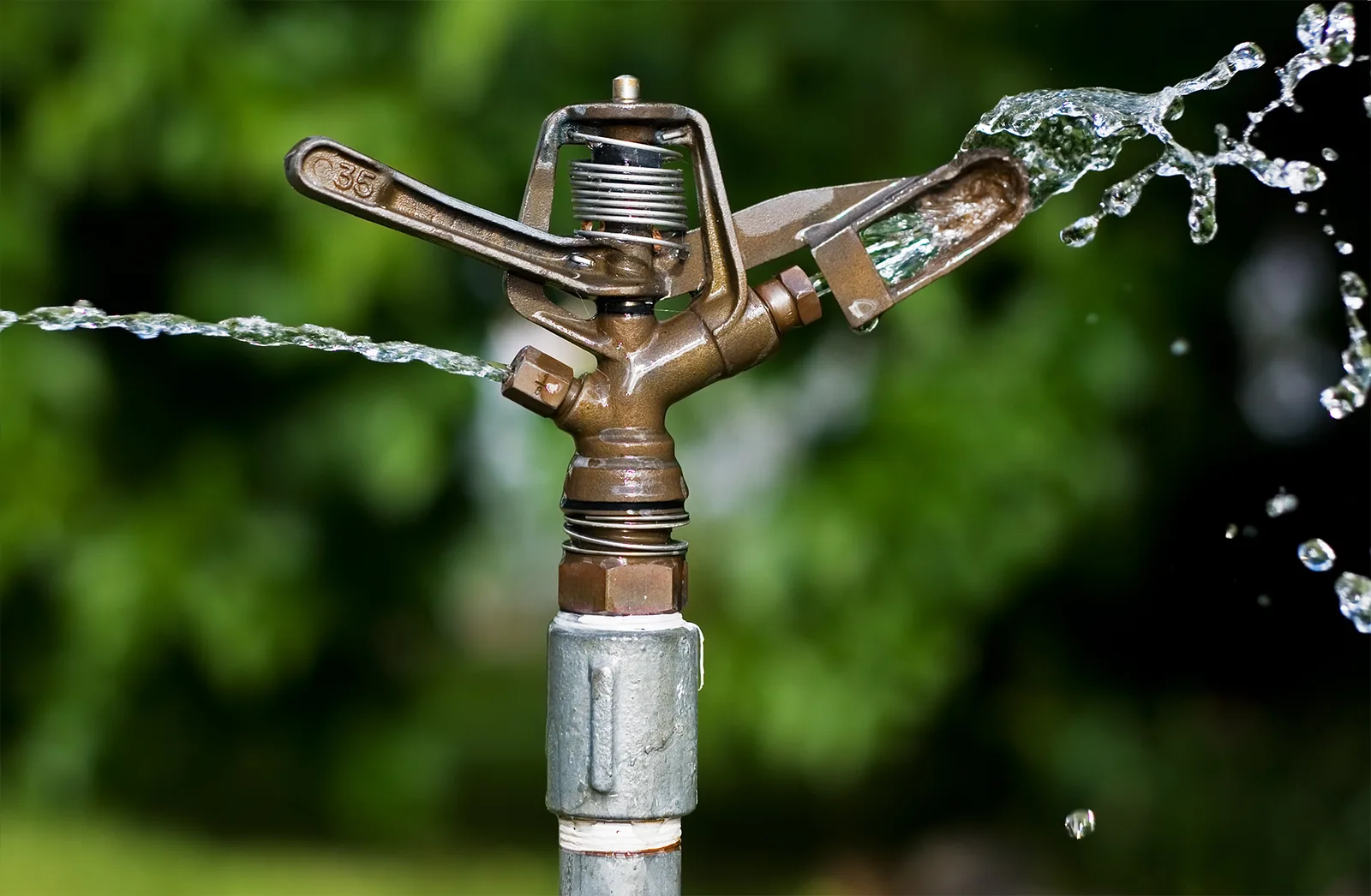
Roof runoff, a leaking irrigation line, compacted traffic soil, buried construction material and a natural low area can produce similar surface symptoms. Your first small repair may be a sprinkler adjustment or a leaking fitting. A low spot close to the home deserves attention to building drainage rather than just a lawn cosmetic fix.
Avoid making wet soil harder to manage
Soil pores need room for air as well as water. Repeated loads on wet soil can compress that space. Use a path for bins and pets where practical, postpone mowing that leaves ruts, and avoid pushing heavy rental equipment across a saturated lawn. Do not aerate simply because rain has made the ground easy to puncture.
Adding a few bags of sand to clay is not a reliable drainage remedy. Soil texture, layers and the amount of material involved matter. Likewise, piling soil into a low area without understanding flow may move the problem toward a building, a neighbor or tree roots.
Choose a repair proportional to the cause
Where compaction is a demonstrated contributor, appropriately timed hollow-tine aeration may help the grass root zone. It will not remove a buried barrier or change the yard's overall slope. Larger drainage or grading work needs a site assessment, utility checks and the relevant local requirements before excavation.
A planted wet area can sometimes suit a difficult spot better than turf, but a rain garden is a designed system with siting and drainage requirements. Do not place one beside a foundation just because water already collects there. Coastal winter saturation, valley clay, interior irrigation problems and mountain snowmelt all need their own diagnosis. Renters should document the issue and involve the property manager before modifying the landscape or directing water elsewhere.
Questions that come up
Will an aerator fix every muddy lawn?
No. It can address some root-zone compaction, but not faulty grading, a continuous buried layer or an uncontrolled source of runoff.
Can I add sand to loosen clay?
Small additions of sand are not a reliable fix and can worsen the physical mix. Diagnose the site and obtain a suitable soil or drainage plan before importing material.
Sources & further reading
Independent guidance, with regional extension and primary references. The linked product label and local conditions take priority over a generic schedule.
- Ponding, plugging and pugging: How to care for wet spring soilsOregon State University Extension
- Understanding soil health and biota for farms and gardensOregon State University Extension
- Practical Lawn Establishment and RenovationOregon State University Extension