A move-in record is a practical map of the home you are taking over. It should show what was there, what condition it was in, how to report problems and who is responsible for the ordinary maintenance. Keep it useful enough to find months later.
- Use the required local or manager-provided condition report where applicable.
- Photograph the empty space and specific concerns clearly.
- Save maintenance permissions, contacts and updates with the original record.
Check the process before taking photographs
Ask for the property’s condition-report procedure and check current local requirements. Cities can have their own forms and time limits; Portland, for example, addresses condition reports in its rental code. A general checklist does not replace that process. Arrange a walk-through where possible and send discrepancies through the specified channel promptly.
Record rooms in a repeatable order
Start at the entrance and work through each room. Take a wide view, then a close view of existing damage with enough surrounding detail to identify the location. Describe the condition in plain language: a split trim corner, a stain under a window or a missing appliance part. Avoid assigning a cause you cannot establish. Include agreed exterior areas, storage and any lawn or garden condition.
Add the information photos cannot show
Create a short equipment and contact list. Ask how to reach the manager in an emergency and who can safely isolate a plumbing leak in a shared building. Photograph accessible model labels rather than opening panels. Note the ordinary instructions for filters, heating controls and alarms; request help with missing manuals or faults.
| Record | Useful detail |
|---|---|
| Heating and filters | Model, approved filter and maintenance responsibility |
| Water incident | Accessible household shutoff or emergency contact |
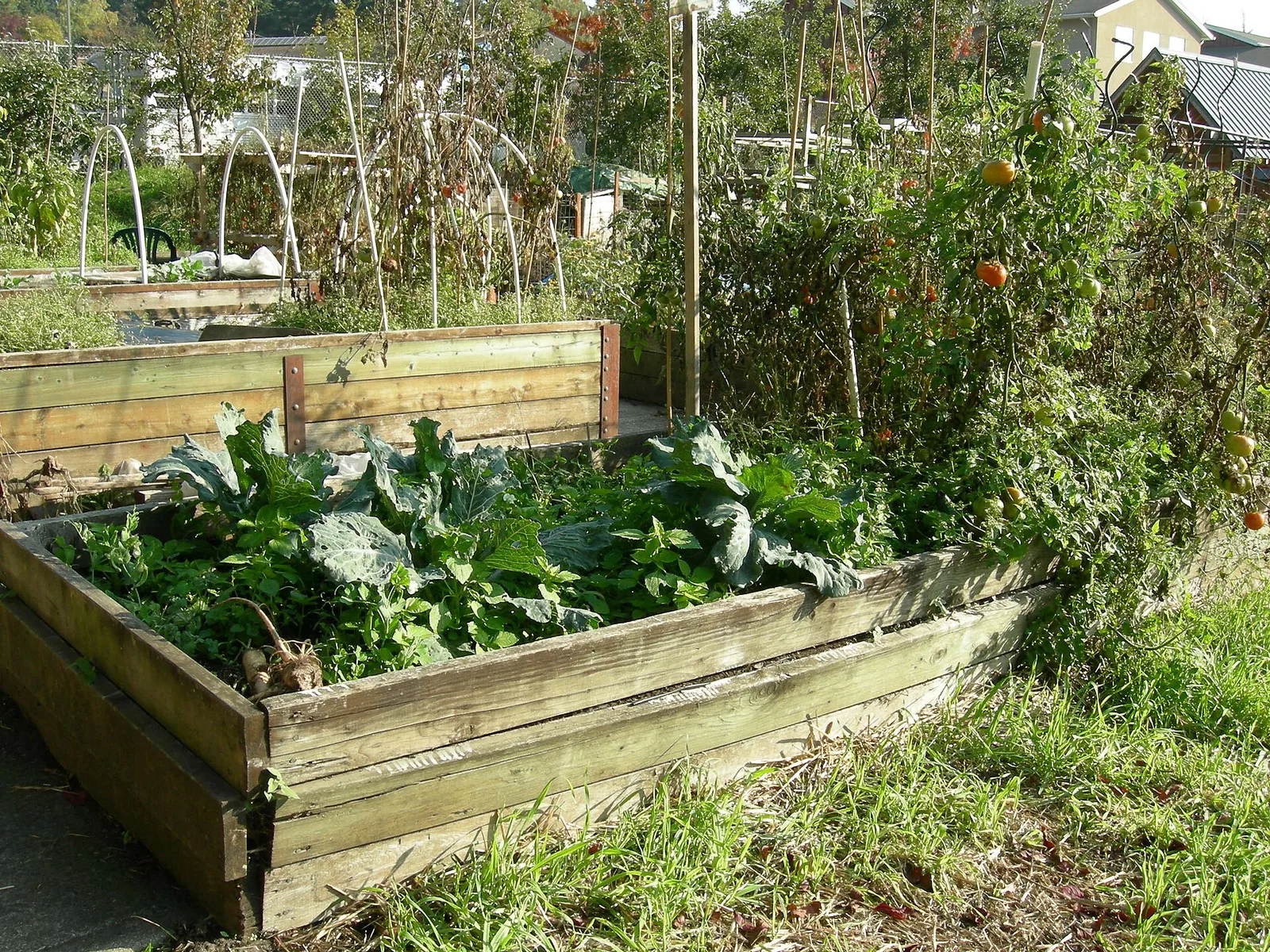
| Outdoor area | Watering, mowing and alteration permissions |
| Alarms and exits | Location, instructions and any reported problem |
Keep permissions separate from assumptions
Save written approval for gardening, wall anchors, window equipment or other changes. A permission should identify what is approved and any handoff or restoration expected when you leave. Ask before altering drainage, landscaping or building systems. Do not infer a repair right, deposit outcome or rent remedy from a photograph or a casual conversation.
Protect and maintain the record
Keep an organized private copy with dates and a backup you can access if the phone is lost. Share only relevant material with the manager and avoid including other occupants, identification documents or private belongings unnecessarily. Add repair confirmations and later photographs as conditions change. At move-out, repeat the same room order so the comparison is clear, following the current local and lease procedure.
Questions that come up
Is a video enough?
A walkthrough video can help, but clear still photographs and short location notes are easier to reference. Follow any required form or reporting procedure too.
Does this checklist establish my legal rights?
No. It helps organize facts and maintenance communication. Use current local housing guidance or qualified advice for rights, deadlines and disputes.
Sources & further reading
Independent guidance, with regional extension and primary references. The linked product label and local conditions take priority over a generic schedule.
- Portland City Code Chapter 30.01: Condition ReportsCity of Portland
- How to prepare your plumbing for winter weatherPortland Water Bureau
- Smoke AlarmsU.S. Fire Administration