Seattle-area lawn work starts with conditions at the soil surface, not a promise that the same weekend suits every Puget Sound yard. Use the western lowland checklist, then account for shade, drainage, exposure and the way your household uses the lawn.
- Use Puget Sound watering advice rather than a Portland or Bend timer schedule.
- Inspect shade and soil moisture before reseeding a thin patch.
- Choose a smaller usable lawn if the site cannot support turf throughout.
Use the lowland calendar with local observations
This guide is a starting point for Seattle, Tacoma, Bellevue, Everett and nearby lowlands. It does not assign a single hardiness zone to the whole metro. Foothills, exposed slopes and sheltered urban yards can need different frost and growing-season decisions.
Before mowing or moving equipment onto wet grass, check whether the surface can support it. Record a persistently soft patch separately from the healthy lawn around it. Compaction, roof runoff and shade need different responses.
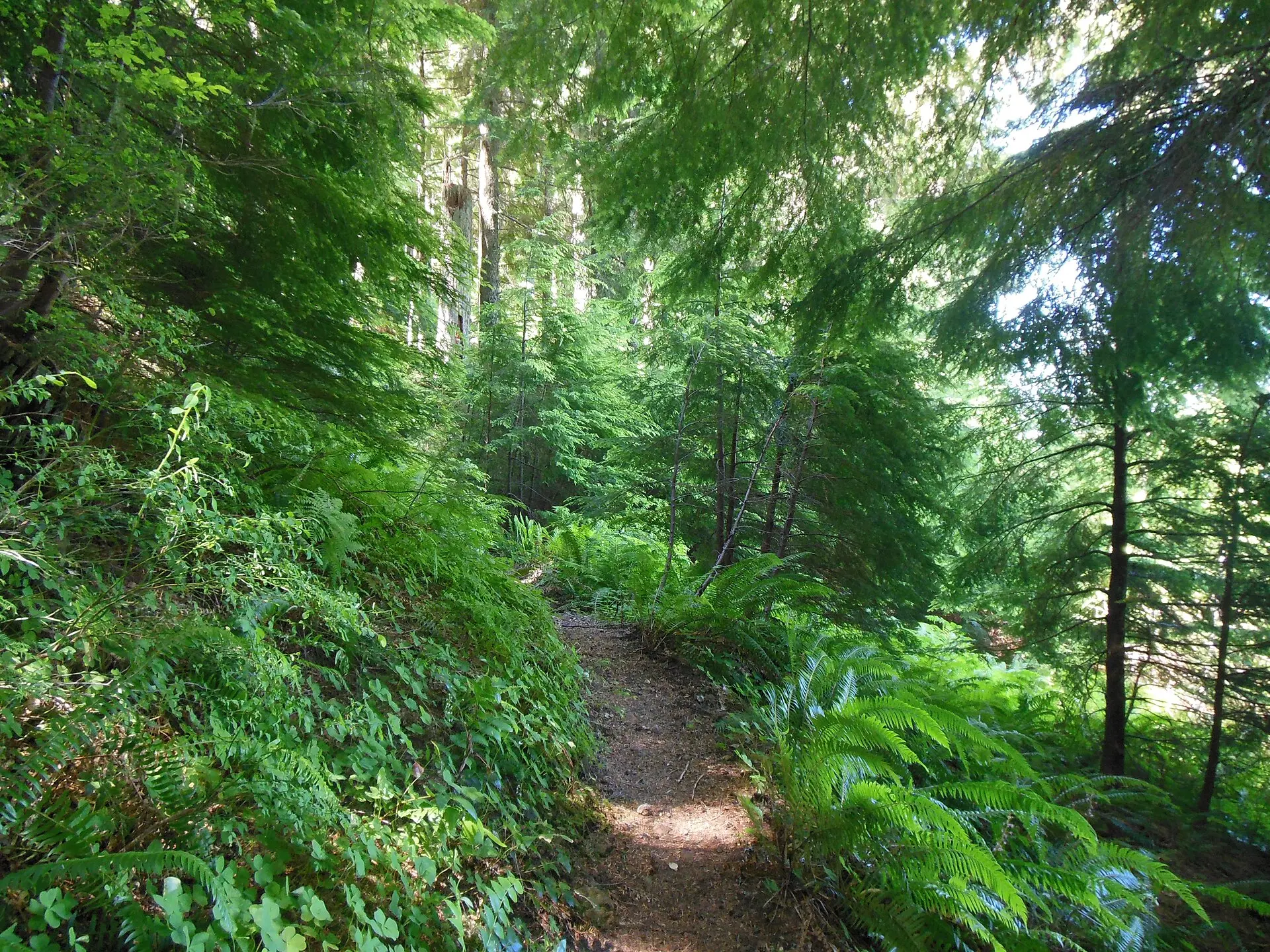
Overhead cover and roots help explain why a lawn patch behaves differently.
Photo: Jsayre64 · CC BY-SA 3.0 · Resized for layoutOpen larger photoFind the appropriate summer watering advice
Saving Water Partnership provides Puget Sound yard-care resources and weekly irrigation advice. Start with its current guidance and your own utility’s rules; the Partnership is not every water provider in the wider metro.
Measure what your sprinklers deliver rather than assuming equal coverage. Decide which areas you intend to keep growing and keep new planting requirements separate. An efficient timer does not correct a blocked head, overspray or runoff by itself.
| Resource | Question it helps answer |
|---|---|
| Saving Water Partnership weekly advice | How should seasonal weather change irrigation? |
| Saving Water Partnership natural yard care | Which soil, plant and maintenance decisions reduce waste? |
| Your water provider | Which current service-area rules or programs apply? |
Treat shade as a design decision
Use the grass identification and shade guides before buying a shade-labeled mix. Look at the amount and season of light, tree roots and how long the surface remains wet. A thin strip beside a mature tree may be a poor place to keep repeating the same renovation.
A planted area or a suitable path can be a better use of a difficult corner. Keep traffic on a defined route, protect tree roots and choose plants for the space they will occupy when mature. Natural yard care still includes establishment watering and weed removal.
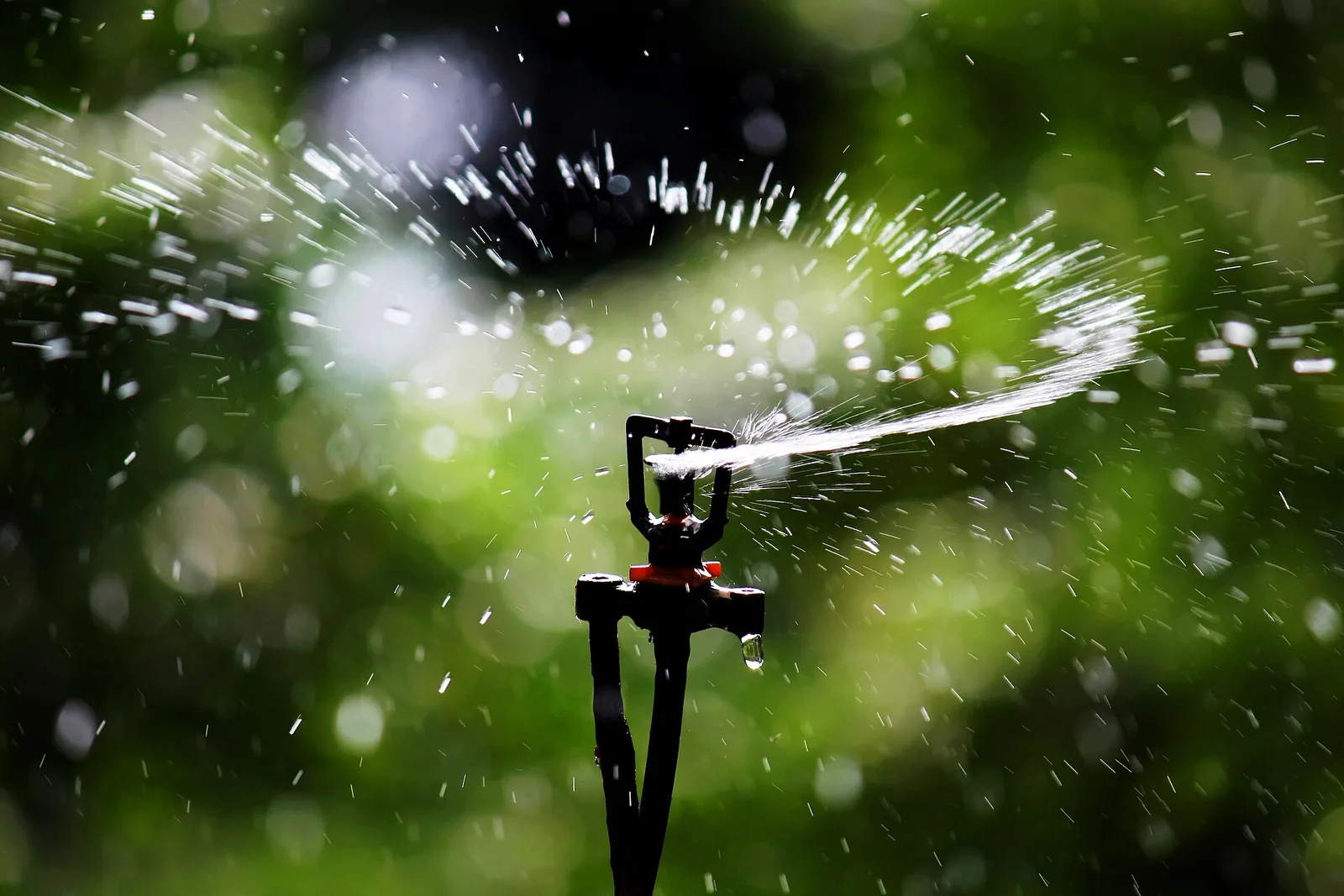
Measure output and use current Puget Sound and utility guidance.
Photo: Anton · CC BY-SA 4.0 · Resized for layoutOpen larger photoBuild a simple annual record
Use active growth and workable ground to choose renovation windows. Compare a natural-input approach with a conventional program before adding products, then keep the rate and purpose of each application with the lawn area measurement.
Take the same overview photograph each season and note the first places to dry, flood or wear out. Those observations make next year’s calendar more specific without pretending that a city name can diagnose a lawn.
Questions that come up
Is the Seattle lawn schedule the same as Bend’s?
No. Use western lowland guidance for the Seattle area and inland/high-desert guidance for Bend, then adjust either for the property.
Does this guide cover every Puget Sound water utility?
No. The regional resources are starting points; your provider sets applicable rules and program eligibility.
Sources & further reading
Independent guidance, with regional extension and primary references. The linked product label and local conditions take priority over a generic schedule.
- Lawn & garden: natural yard careSaving Water Partnership
- Puget Sound weekly watering schedulesSaving Water Partnership
- Practical Lawn Care for Western Oregon (EC 1521)Oregon State University Extension