Brown grass is a symptom. It is not automatically the disease called brown patch, a lack of fertilizer, or an insect problem. A few observations about pattern and timing can prevent an unnecessary treatment and give Extension staff a much better sample.
- Record the shape, location and rate of change before applying anything.
- Check irrigation coverage and recent yard activities first.
- Use close-up leaf, crown and root observations to guide any disease diagnosis.
Read the pattern in the whole yard
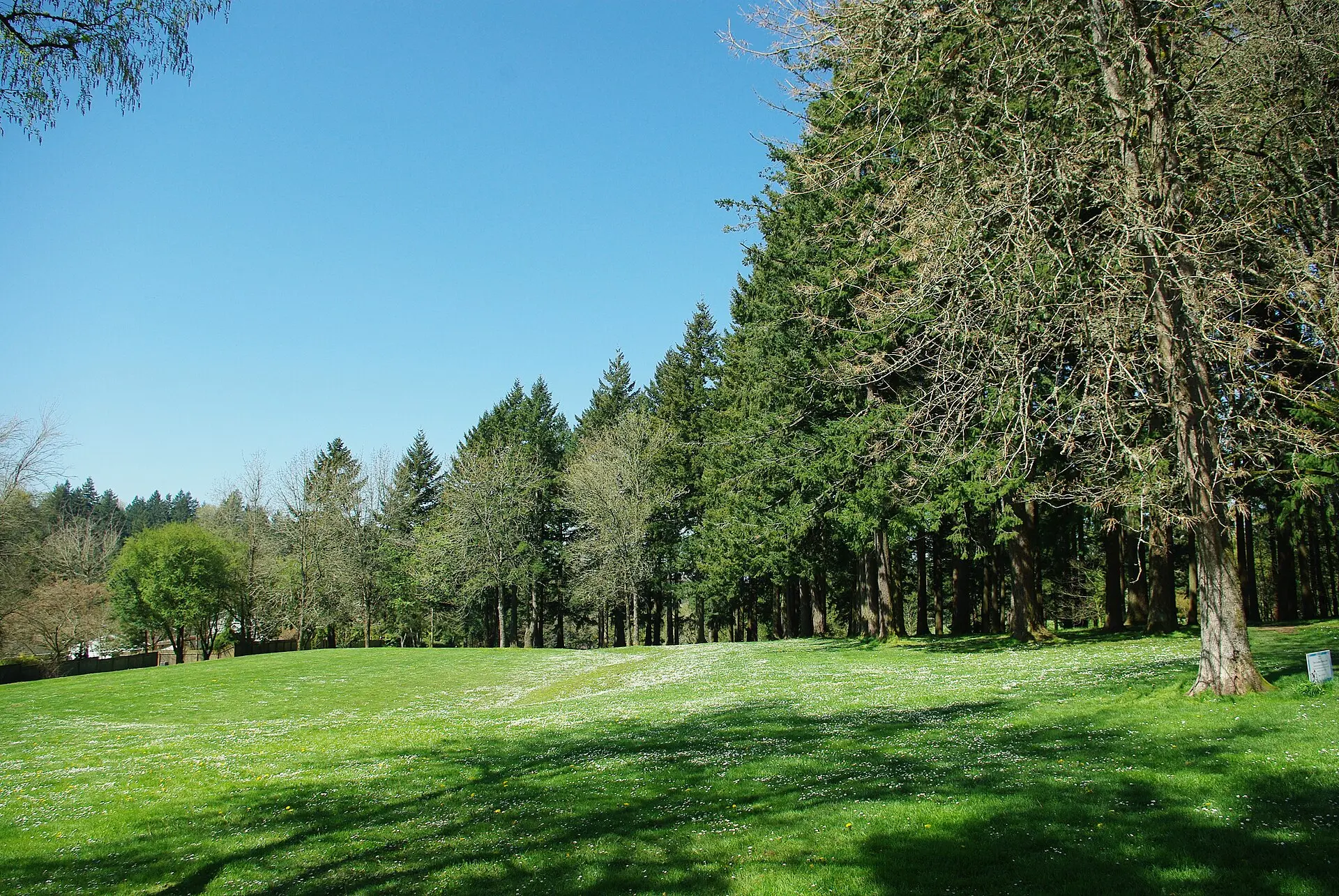
Photograph the patch with healthy grass around it. Is it a strip along a hot path, a repeat dog route, a mower turning point, a circle, or a low wet pocket? Note recent fertilizer applications, herbicide use, fuel spills, heat, frost and irrigation changes. Those events can be more informative than color alone.
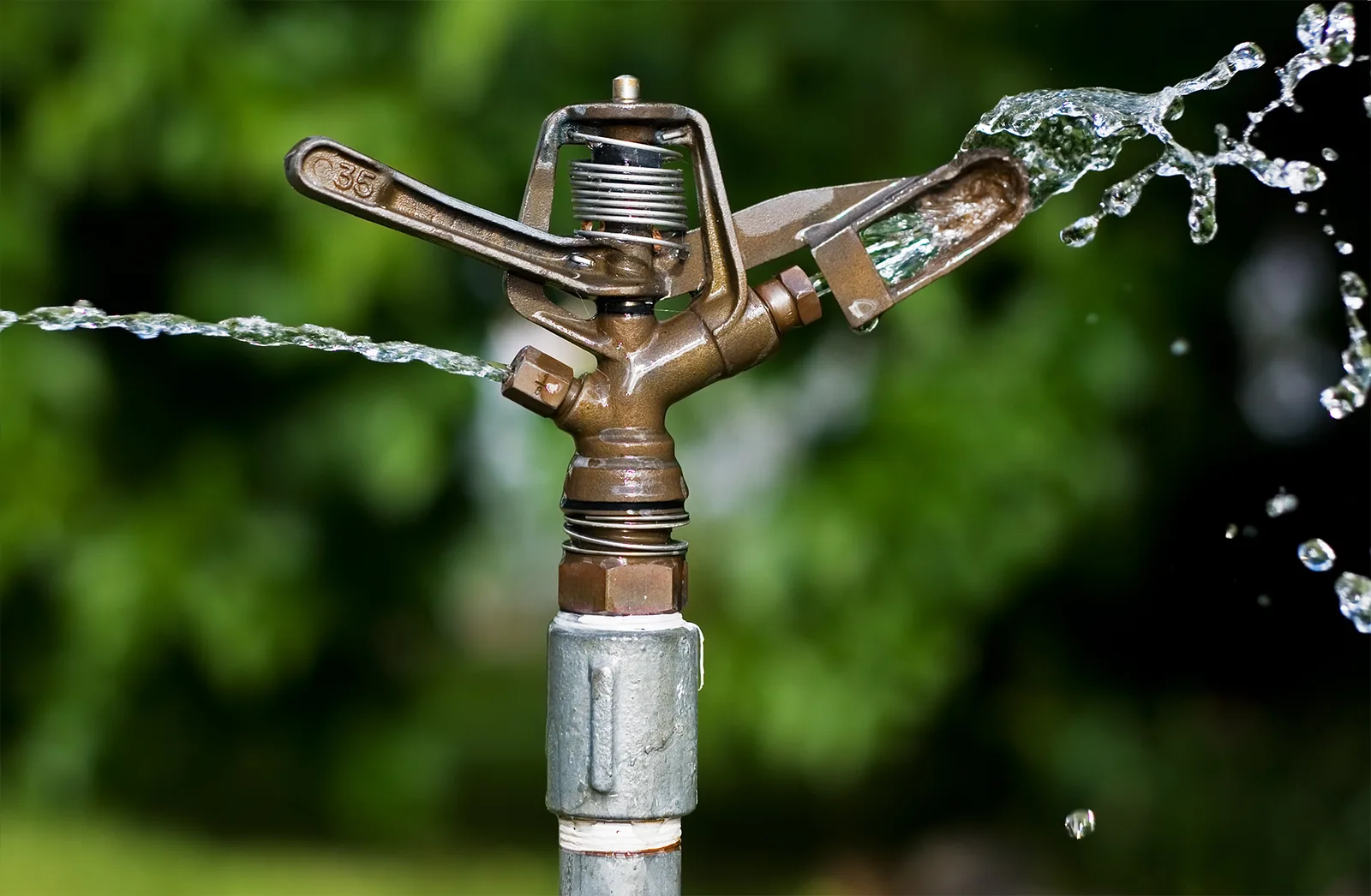
Compare soil moisture in the damaged area and beside it. Run a catch-can test if irrigation coverage is uncertain. A dry corner surrounded by well-watered grass does not need the entire zone flooded. A patch that remains saturated calls for a different investigation from one that dries rapidly.
Use disease names carefully
Red thread can leave pale or tan areas with fine pink-to-red threads on leaf tips, particularly in cool, moist conditions. It is often more of an appearance issue than a cause of turf death. Necrotic ringspot is a different problem associated especially with Kentucky bluegrass in central and eastern parts of the region, and may develop characteristic rings.
The disease named brown patch has its own hosts and weather preferences; WSU describes it as relatively uncommon in the region. Calling every brown spot that name can send you toward the wrong fungicide. These descriptions are screening clues, not a diagnosis from a distant photograph.
Investigate with the least disruption first
Look closely at individual leaves and at the transition between healthy and affected grass. Check whether roots remain attached and whether there is a thick thatch layer. Do not assume every soil insect caused the damage. If the patch expands or the cause remains unclear, ask your county Extension office or a plant diagnostic service how to collect a useful sample before treatment.
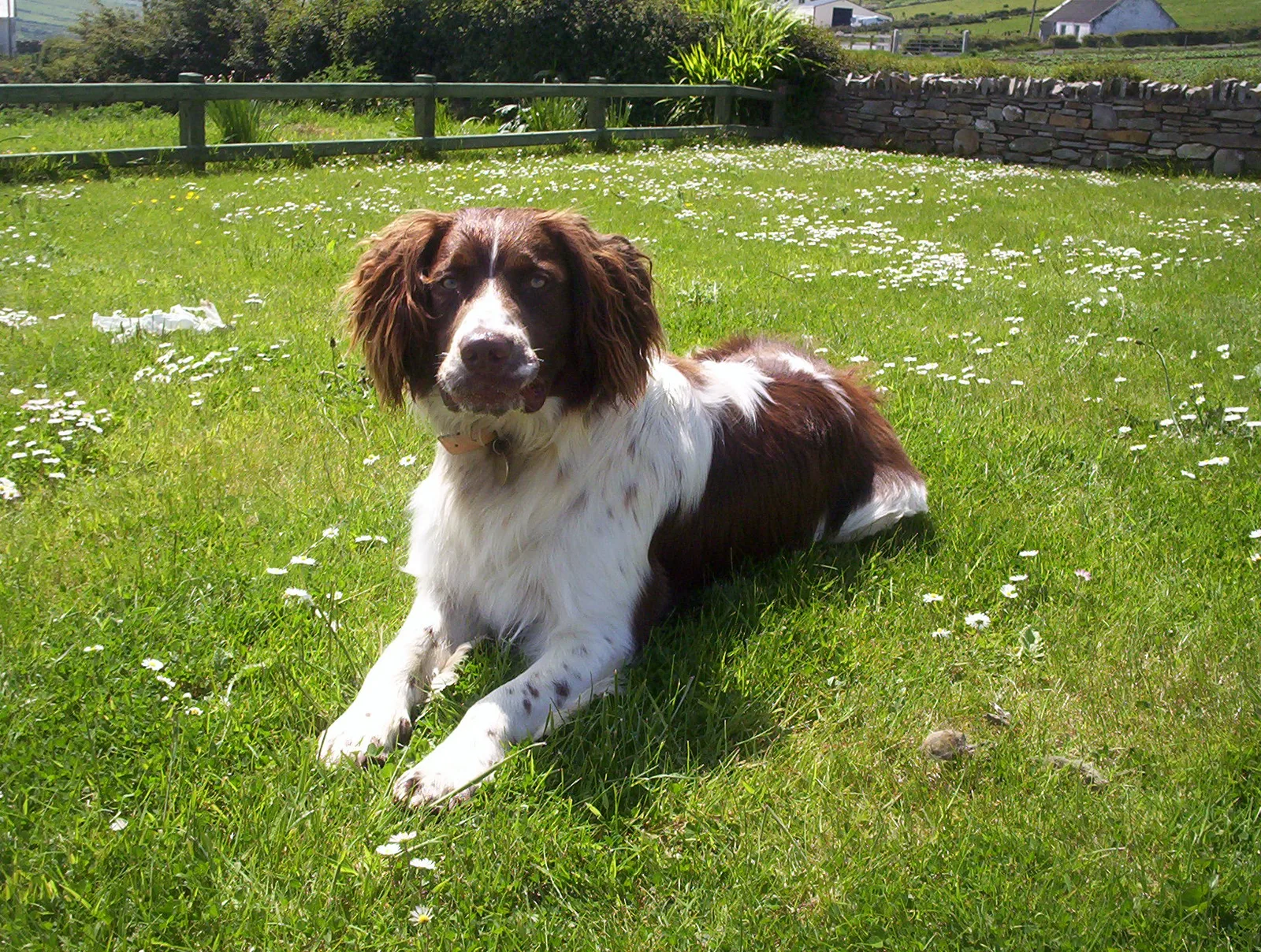
For a dog-use patch, prompt watering can help dilute a fresh concentrated urine deposit; established dead grass may need repair. For an accidental product spill, follow the product's cleanup guidance rather than adding another chemical. After the cause is resolved, choose a suitable growing window to reseed. Keep before-and-after records so recovery, recurrence and any response to changed maintenance are visible.
Questions that come up
Should I put fertilizer on brown spots?
Only after identifying a nutrient need. Fertilizer cannot fix every drought, disease, spill or drainage injury, and excessive feeding can create additional problems.
Does a circular patch prove dog urine damage?
No. Urine injury can resemble disease, and other spills can produce similar patterns. Combine location, recent activity and plant observations rather than relying on shape.
Sources & further reading
Independent guidance, with regional extension and primary references. The linked product label and local conditions take priority over a generic schedule.
- Lawn and Turf: Red threadWashington State University Hortsense
- Lawn and Turf: Necrotic ringspotWashington State University Hortsense
- Lawn and Turf: Brown patchWashington State University Hortsense
- Lawn and Turf: Dog injuryWashington State University Hortsense