A core aerator removes plugs from soil. A dethatcher removes part of the fibrous layer above it. They solve different problems, and neither belongs on an automatic shopping list. Cut a small inspection plug and look at the lawn's condition before renting machinery.
- Use hollow-tine core aeration for demonstrated compaction.
- Measure the thatch layer before deciding to power-rake.
- Work when grass can recover and soil is moist but supports the machine.
Read a small soil cross-section
Lift a small wedge or plug and examine the boundary between green grass and mineral soil. Thatch is a springy tangle of stems, crowns and roots, not simply loose clippings. A modest layer can be normal. The PNW disease handbook treats roughly half to three-quarters of an inch as generally acceptable; thicker layers deserve closer attention.
Now look for a traffic pattern, hard surface soil or shallow roots. Check a worn gate route against an undisturbed corner. Do not diagnose compaction from difficulty pushing a screwdriver into completely dry soil alone. Compare observations when the ground has an appropriate moisture level.
Match the machine to the cause
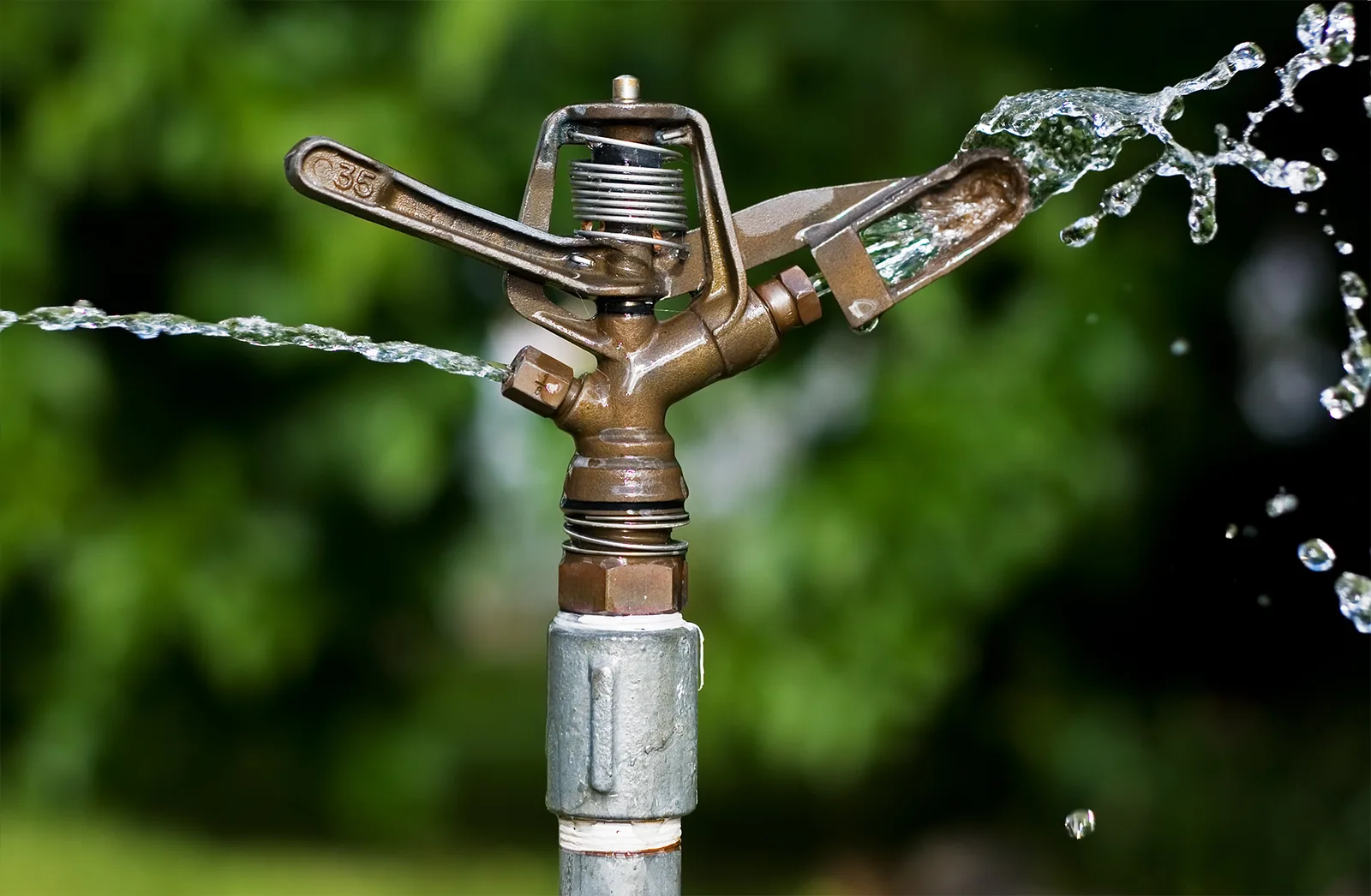
A hollow-tine machine removes soil cores and can improve air and water movement in a compacted root zone. Spike shoes make holes without removing soil and are a poor substitute for core removal. Mark irrigation heads and shallow services, follow the rental operator's instructions, and keep people and pets clear.
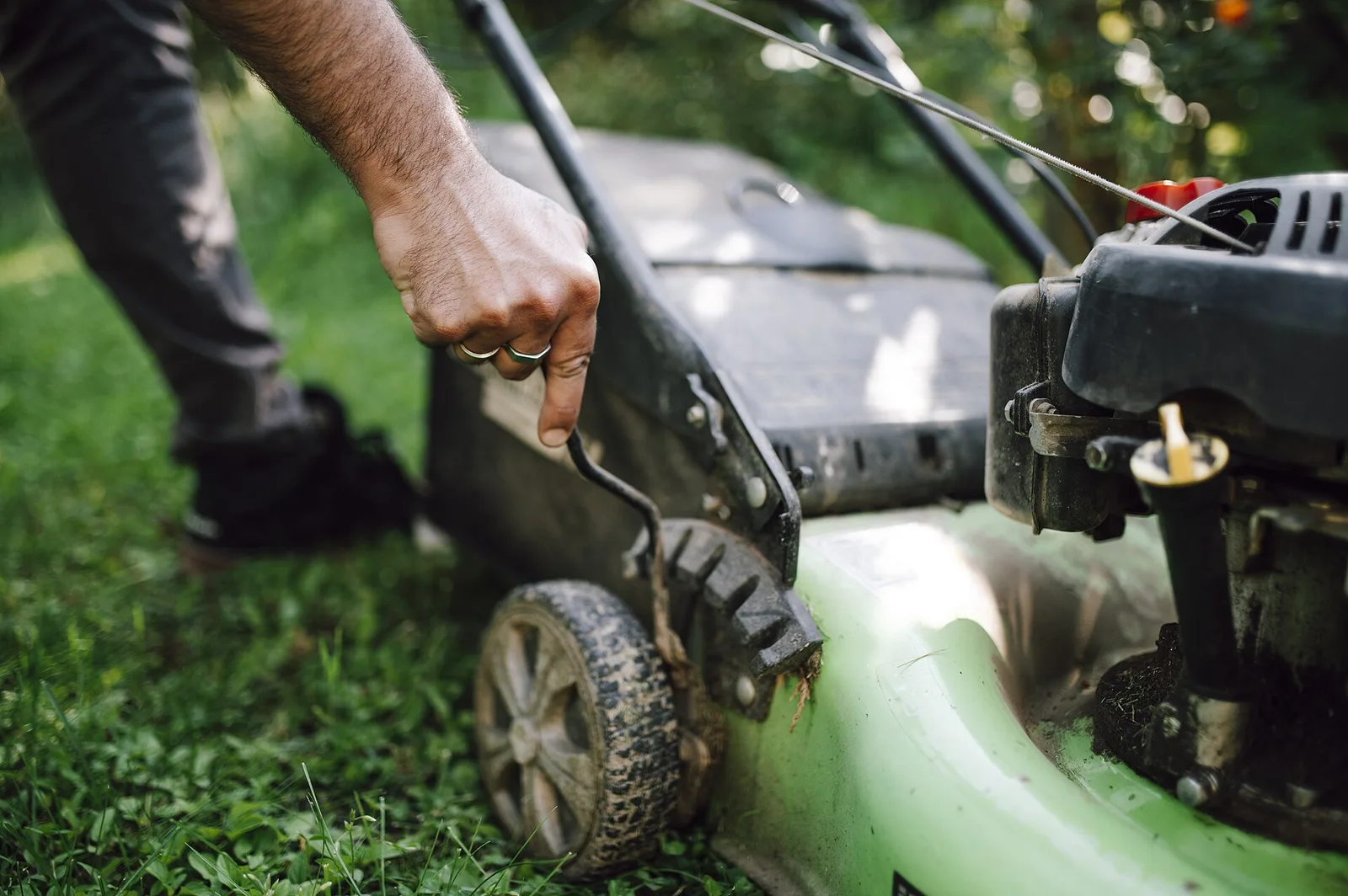
A power rake or vertical mower is for excessive thatch. It can remove substantial living material if set too aggressively. Make a conservative pass, collect debris and reassess before doing more. An attachment that promises to turn any mower into a dethatcher is not automatically equivalent to a purpose-built rental machine.
Choose recovery conditions
Schedule disruptive work while cool-season grass is growing and can repair damage. Spring or early fall may provide that window, with timing shifted for coast, valley, dry interior and elevation. Avoid frozen, saturated, drought-stressed or heat-stressed turf. A date on a calendar cannot override the ground conditions.
Aeration cannot repair a buried construction layer or fix a lawn that receives a roof's runoff. Likewise, removing thatch without correcting excessive feeding, poor drainage or an unsuitable maintenance routine invites recurrence. Plan any needed overseeding and watering before the machine arrives. Rent or share expensive seasonal equipment when a small lawn only needs occasional treatment; spend the savings on preparation and follow-up care.
Questions that come up
Do grass clippings cause thatch?
Short leaf clippings usually decompose readily. Thatch is largely accumulated stems, crowns and roots. Returning suitable clippings is compatible with thatch management.
Should I dethatch every spring?
Inspect first. An unnecessary aggressive pass can damage a healthy lawn. The grass species, measured layer and recovery conditions should determine the work.
Sources & further reading
Independent guidance, with regional extension and primary references. The linked product label and local conditions take priority over a generic schedule.
- Thatch in Home LawnsPacific Northwest Plant Disease Management Handbook, OSU / WSU / University of Idaho
- Home LawnsWashington State University Extension
- Practical Lawn Care for Western OregonOregon State University Extension