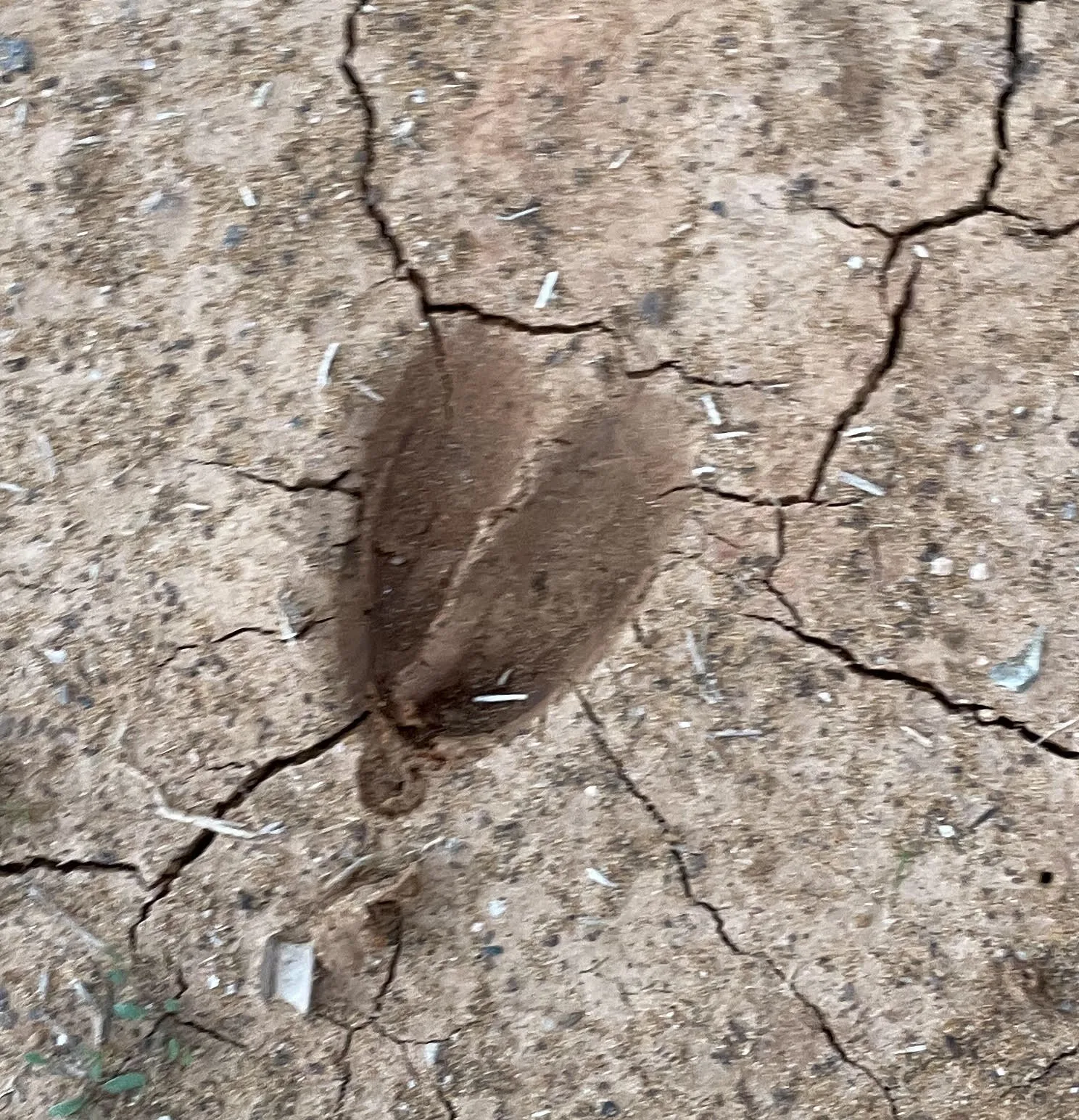
Freshly flipped turf can involve two problems: something feeding below ground and an animal looking for food. Crows or raccoons may be searching for grubs, but their presence is not enough to identify the insect or justify treating the whole lawn.
- Check several damaged and undamaged areas before buying grub control.
- European chafer is one possible root-feeding beetle, not the name for every lawn grub.
- Repair the turf and get the insect identified; avoid harming wildlife.
Record what is happening above ground
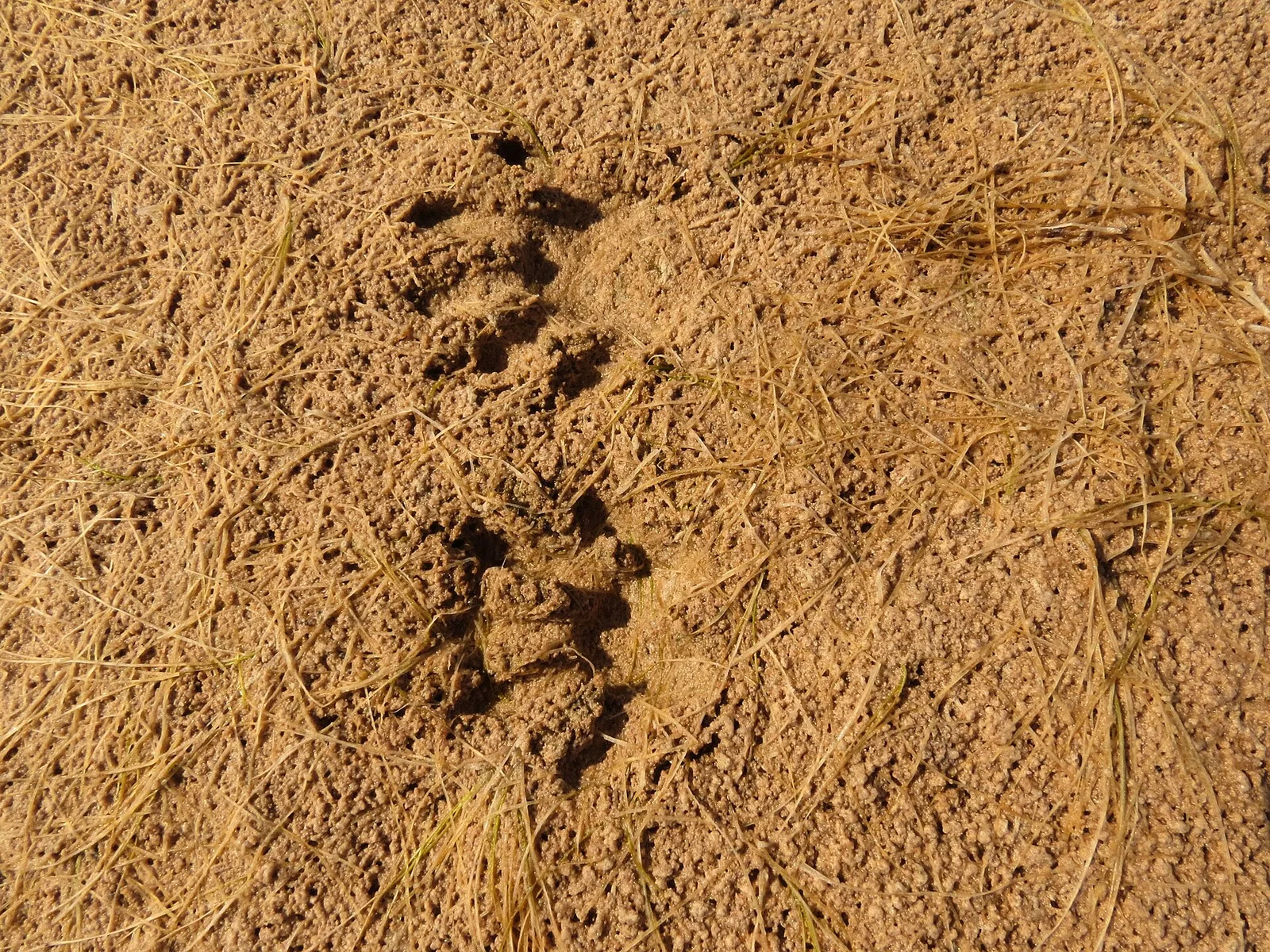
Photograph the disturbed area before smoothing it over. Note whether grass is pecked into small pieces, lifted in chunks or replaced by a raised soil tunnel. Look for a pattern across several days and, where practical, observe from indoors. Tracks can support an identification, but loose soil and overlapping prints can mislead.
Animals also search for earthworms and other food. Digging alone does not prove a damaging grub population. Keep pet food and rubbish secured so a separate food source does not keep attracting visitors to the same yard.
| Clue | What to investigate next |
|---|---|
| Loose turf and damaged roots | Check the root zone for grubs and compare several places |
| Small pecked holes or flipped fragments | Observe birds, but confirm what is present below ground |
| Larger lifted or rolled pieces of turf | Look for mammal activity and root damage |
| Raised tunnels or runways | Compare with the separate mole-and-vole guide |
Compare several affected and less-damaged places before deciding that grub control is warranted.
Photo: Shixart1985 · CC BY 2.0 · Resized for layoutOpen larger photoCheck roots and identify any larvae
Lift a small, already-loose edge or a modest sample at the boundary of damage. Look at the roots and soil immediately beneath them, then replace the turf. Record the area inspected and the insects found. Repeat in more than one place, including a nearby less-damaged area, because larvae are not always distributed evenly.
White grubs are larvae of several scarab beetles. The PNW handbook includes European chafer, Japanese beetle and other species, with different life cycles and thresholds. Photograph a larva clearly and contact Extension or the relevant state invasive-species authority for identification and current reporting advice.
Match any treatment to a confirmed problem
The European chafer feeds on grass roots as a larva. Washington’s invasive-species guidance records it in the state and directs homeowners to local Extension for management advice. That does not establish that every brown or dug-up PNW lawn has this species.
Ask about the insect’s current life stage, the amount of root damage and whether treatment is warranted now. Beneficial nematodes and pesticides are not interchangeable calendar purchases. A suitable method needs the correct target, conditions and instructions. Follow the current label and local advice; do not guess a rate or treat every lawn in the neighborhood.
Repair cover and monitor the result
Place salvageable turf back in contact with the soil and keep the area out of routine traffic. Plan seed repair for an appropriate growing window, addressing any irrigation or compaction problem that was present before the digging began. Photograph the same view again so you can judge whether new damage is continuing.
If root loss is extensive or the site is repeatedly disturbed, compare the effort of turf repair with a smaller lawn or another surface for that space. Wildlife trapping, relocation and exclusion need the relevant local guidance. Avoid exposed netting or improvised devices that can entangle pets or wild animals.
Questions that come up
Do crows digging mean I need grub killer?
No. Check the root zone in several places and identify what is present. Animals can be looking for other food, and a small grub population may not require treatment.
Are all white lawn grubs European chafer?
No. Several beetles have similar larvae. Identification, timing and the amount of damage matter.
Will reseeding stop animals from digging?
Not by itself. Repair cover, but also establish what is attracting the animals and whether root-feeding insects need attention.
Sources & further reading
Independent guidance, with regional extension and primary references. The linked product label and local conditions take priority over a generic schedule.
- Turfgrass: White grubPacific Northwest Pest Management Handbooks
- European ChaferWashington Invasive Species Council
- Animals Digging in LawnsUniversity of Maryland Extension