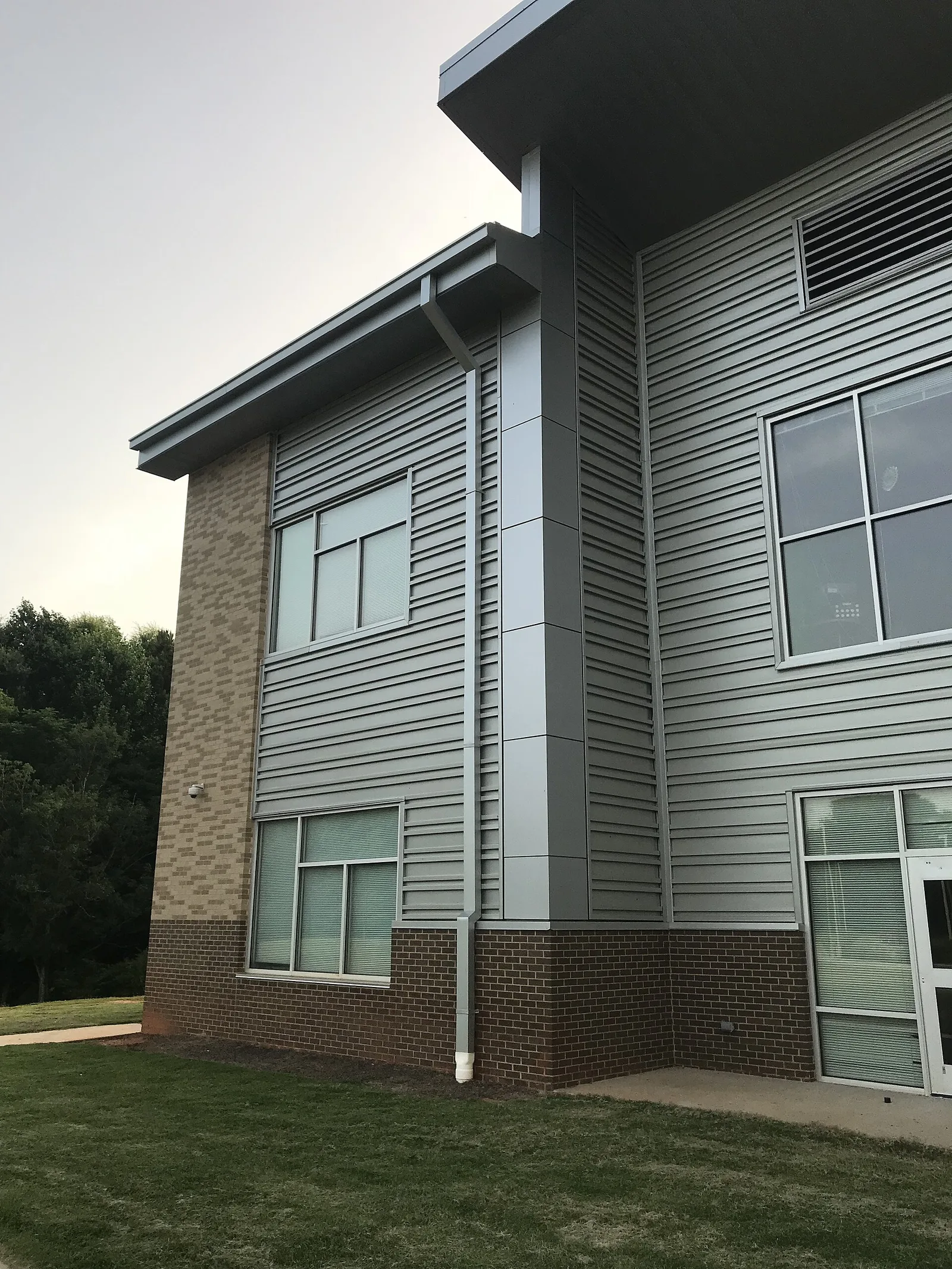
A house tells you more during an ordinary rain shower than on a sunny inspection day. Use the first sustained autumn rain to follow water from the roof to its destination, then check the rooms and storage areas on the other side of those walls.
- Inspect from firm ground; a wet roof is not a maintenance workspace.
- Follow roof runoff all the way to its approved outlet.
- Record new stains or leaks and arrange repairs before the next storm.
Make a dry-day baseline
Start with a short photo walk: each side of the house, downspout outlets, low doors, basement windows and any known damp corner. Label the pictures by location. Keep your flashlight, utility contacts and a pair of waterproof shoes somewhere accessible. A simple record helps distinguish an old mark from a new problem.
Renters can make the same record without altering the building. Send maintenance requests through the property manager’s normal written channel and keep the date, location and photographs together.
Watch one rainstorm from shelter
Look for water overtopping a gutter, escaping behind it or pooling beside the foundation. Note whether an outlet is blocked by leaves or whether a disconnected extension has been knocked aside. Clear loose leaves from accessible ground-level drainage openings only when the work is safe; leave heavy covers and buried systems to the responsible service provider.
Check indoors after the rain
Look at the bottoms of exterior walls, under sinks and around accessible plumbing. A damp smell or recurring window condensation deserves a moisture investigation. Dry a small clean-water spill promptly, but do not hide an unresolved leak with new paint, flooring or storage boxes. Leave a visible gap around a suspect area so the next inspection is easy.
Adjust the list to your part of the Northwest
Coastal and west-side properties need repeated checks during leaf fall and wind-driven rain. In eastern Oregon, eastern Washington and Idaho, add freeze protection before winter; mountain properties also need a snowmelt plan. Timing follows local weather and the building, rather than a universal November deadline. Do not reroute drainage onto a neighbor’s land or a public path.
Know when the checklist ends
Flooding, sewage backup, moving retaining walls, a sagging ceiling or water near electrical equipment is beyond routine maintenance. Stay out of flooded rooms and follow official instructions. For ordinary repair visits, share the photo sequence and ask what water path the proposed work will change; that is more useful than asking for a generic waterproofing treatment.
Questions that come up
Should I clear a street drain?
Only where your local agency permits it and only from a safe position. Stay out of traffic and flowing water, leave the grate in place and report drains you cannot safely reach.
Should renters clean roof gutters?
Agree on maintenance responsibilities with the property manager. A lease does not make ladder or roof work safe; arrange suitable professional access rather than improvising it.
Sources & further reading
Independent guidance, with regional extension and primary references. The linked product label and local conditions take priority over a generic schedule.
- Weather PreparednessSeattle Public Utilities
- How to care for a rain garden or other stormwater facilityPortland Environmental Services
- During a FloodNOAA National Weather Service