A sump pump can move collected water. It cannot explain why water arrived, repair a plumbing leak or make an unsafe crawlspace suitable to enter. Start with observations you can make from a safe, dry location.
- Find the water source before specifying a pump or vapor barrier.
- Stay out of standing water and cramped spaces with uncertain hazards.
- A discharge route needs approval and must not send water back toward the foundation.
Write down the pattern
Does water appear only after prolonged rain, immediately after a plumbing fixture runs, or during snowmelt? Is one corner damp or the whole floor wet? Note odors, stains and the date, but do not crawl into water or reach near electrical equipment. Share the pattern with an appropriate building professional. Renters should report it promptly and request an assessment.
Check the accessible exterior first
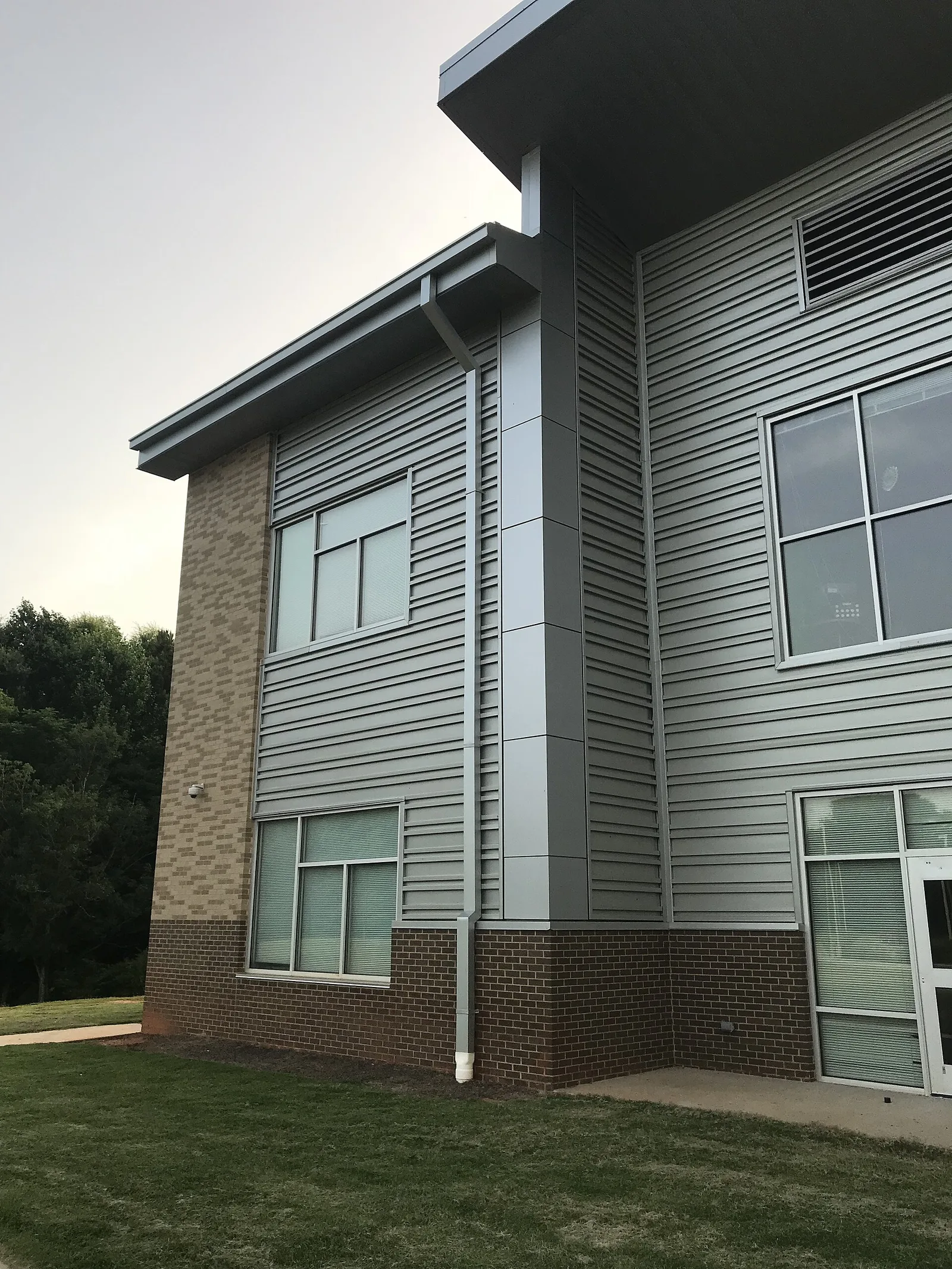
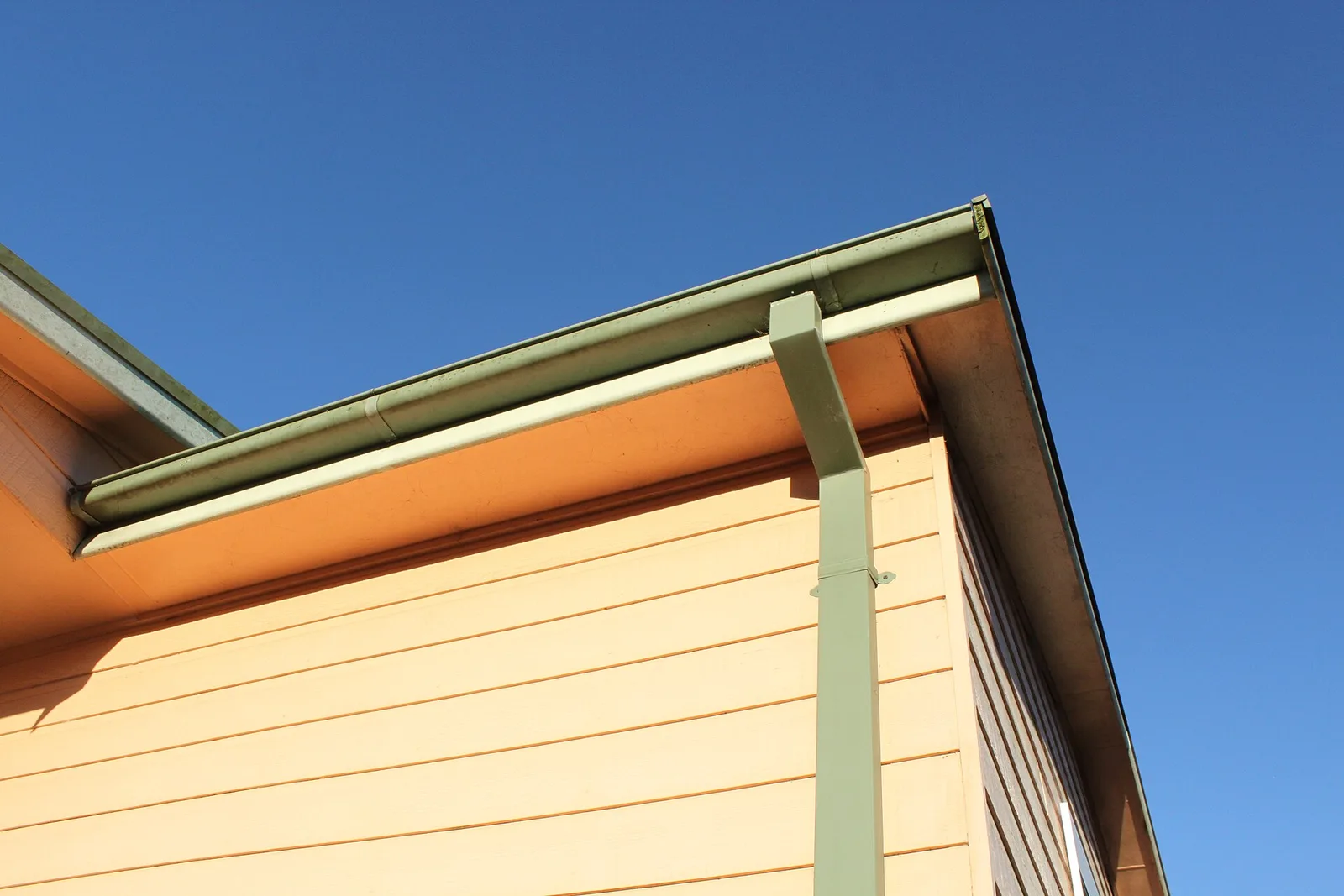
From ground level, see whether a downspout extension has moved, a drain is visibly blocked or landscaping holds water against the house. A roof-water correction may be part of the answer, but it should fit the existing drainage system. Keep any approved discharge outlet clear. Do not alter a slope, retaining wall or underground line as a trial-and-error fix.
Ask for a system diagnosis
PNNL identifies several possible moisture sources, including ground moisture, roof or surface water, plumbing leaks and equipment discharge. Ask the assessor to distinguish liquid water from humidity and condensation. The proposal should state where water will be collected, where it will go and how the building’s air and moisture controls will work afterward.
If a sump already exists
Find the model and maintenance instructions without opening or changing electrical components. Arrange the manufacturer’s recommended test and check the discharge path. A system that depends on electricity may need a professionally planned backup and alarm. PNNL guidance calls for appropriate covered sump arrangements and discharge away from the building; a hose ending beside the foundation can recirculate the same water.
Avoid single-product promises
A new liner, dehumidifier or pump is not automatically a complete solution. Ask what happens during an outage, whether the outlet can freeze, how the system will be serviced and whether local permits or discharge rules apply. Do not permanently close vents or encapsulate a crawlspace without a building-specific design. Photograph the finished work and compare conditions during later storms.
Questions that come up
Can I go into a flooded crawlspace to unplug a pump?
No. Water and unknown electrical conditions are a serious hazard. Stay out and have the situation assessed from a safe location by qualified help.
Does every crawlspace need encapsulation?
No single approach fits every building. Existing ventilation, climate, groundwater, pests, combustion equipment and drainage all affect the design.
Sources & further reading
Independent guidance, with regional extension and primary references. The linked product label and local conditions take priority over a generic schedule.
- Drain or Sump Pump Installed in Basements or CrawlspacesPacific Northwest National Laboratory / DOE
- Pre-Retrofit Assessment of Crawlspaces and BasementsPacific Northwest National Laboratory / DOE
- During a FloodNOAA National Weather Service