A vegetable bed and a lawn are different feeding decisions. The crop, soil and previous additions determine what is useful. Start with that information before choosing between a granular fertilizer and a liquid concentrate.
- Account for compost and fertilizer already added.
- Compare the guaranteed analysis and the exact crop directions.
- Keep lawn feeding and vegetable feeding as separate plans.
Find the gap you are trying to fill
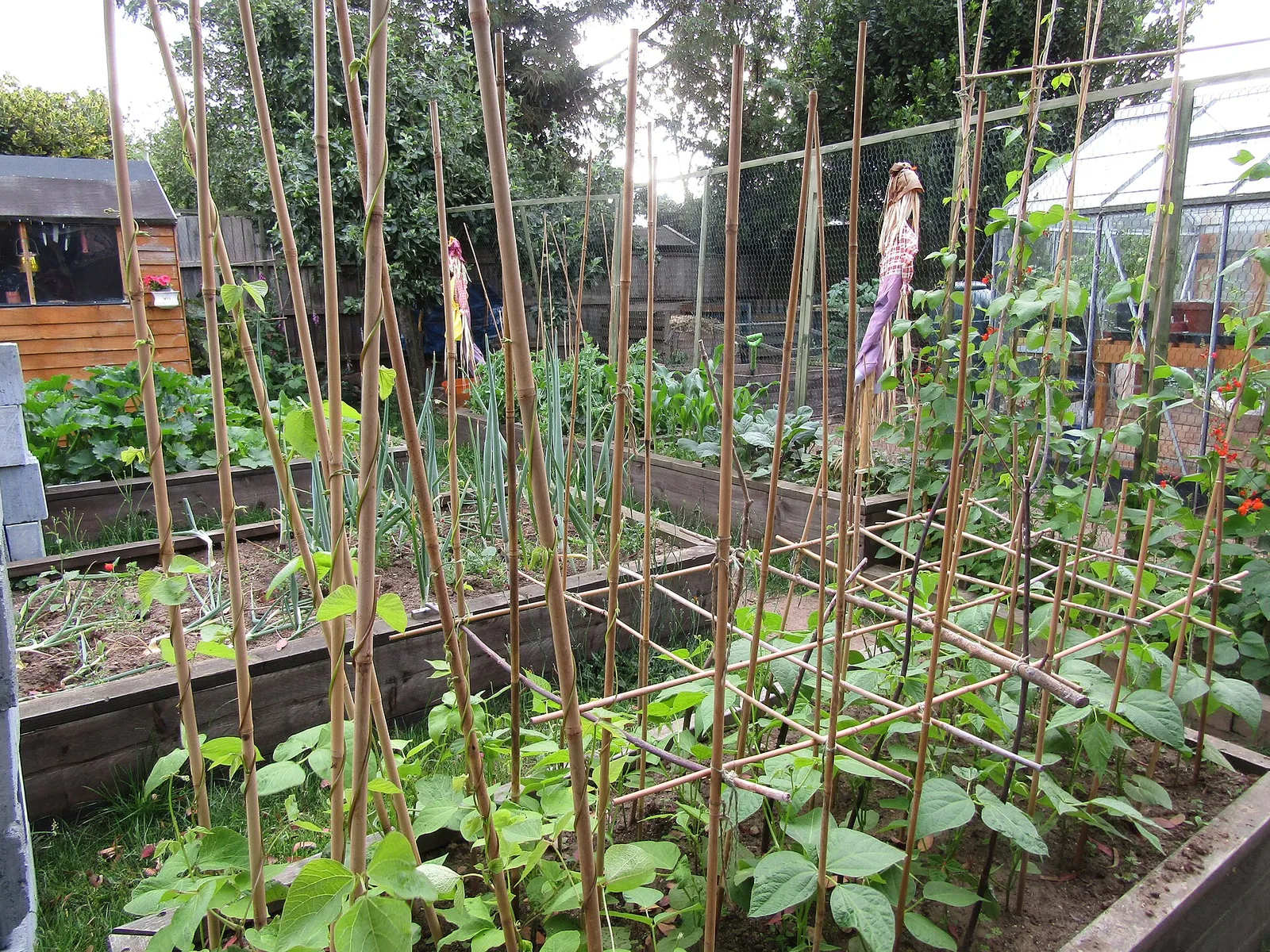
For an in-ground bed, use a soil test and regional crop guidance to understand nutrient needs. Note previous compost and fertilizer additions. A repeatedly composted bed may already contain ample phosphorus, so adding another balanced product by habit can be wasteful.
Containers need their own assessment. Check whether the potting mix includes fertilizer and how the product is meant to be managed over the crop's life. Yellow leaves can also reflect watering or root problems; adding food is not a diagnosis.
Compare a few suitable formats
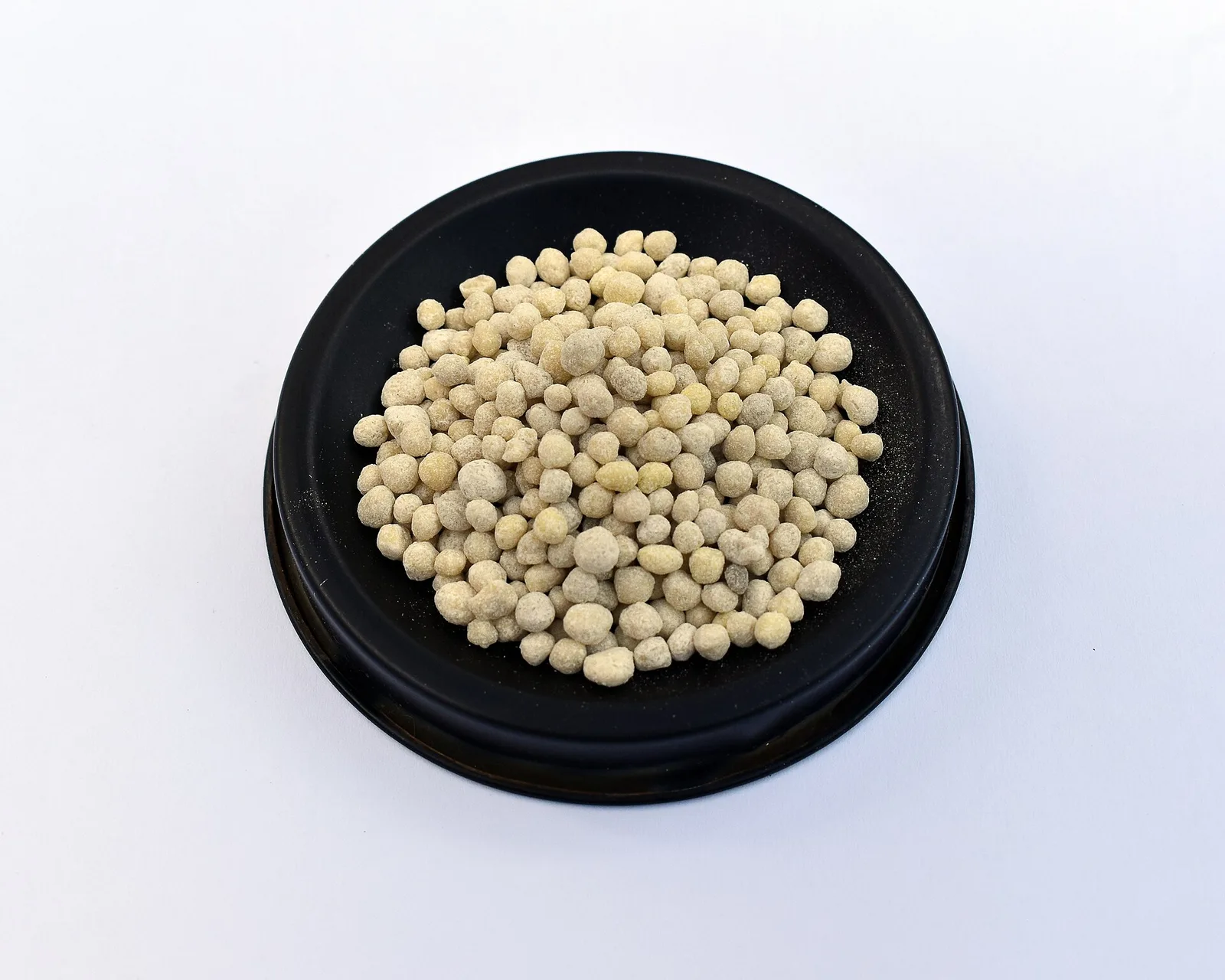
Granular products can suit a measured planting or feeding plan. Espoma Garden-tone and Down To Earth Vegetable Garden 4-4-4 are garden examples with published manufacturer directions. Their suitability depends on the nutrients your crop needs, including phosphorus.
Alaska Fish Fertilizer 5-1-1 is a liquid concentrate to compare where that format fits the crop and care routine. Follow its dilution instructions; do not transfer a rate from a different product with similar packaging. Consider odor, storage and curious pets when choosing animal-derived inputs.
Use a record instead of a rolling shopping list
Measure the area or container, calculate the amount from the applicable directions and record what was applied. Follow handling and watering instructions. More product is not insurance against a small harvest.
Review plant growth alongside weather, moisture and pest observations before the next feeding. A summer garden kept actively growing differs from an empty winter bed. Let the crop and conditions set the decision, and store leftover fertilizer in its labeled container, dry and secured.
Questions that come up
Should every vegetable get the same fertilizer?
No. Crop needs, soil results and the growing medium differ. Use the relevant crop and product guidance.
Is 4-4-4 stronger than 5-1-1?
The numbers describe percentages of different nutrients, not one overall quality score. Compare the nutrient you need and the amount the label directs you to use.
Sources & further reading
Independent guidance, with regional extension and primary references. The linked product label and local conditions take priority over a generic schedule.
- Vegetable gardening in OregonOregon State University Extension
- A Guide to Collecting Soil Samples for Farms and GardensOregon State University Extension
- Garden-tone product informationEspoma
- Vegetable Garden 4-4-4Down To Earth
- Alaska Fish Fertilizer 5-1-1Pennington